Breeding2 min read
The birth of a foal: signs of foaling and the first hours
Warning signs, how foaling unfolds, the 1-2-3 rule, colostrum and first care: what to watch for when a foal is born.
Published 11 October 2026
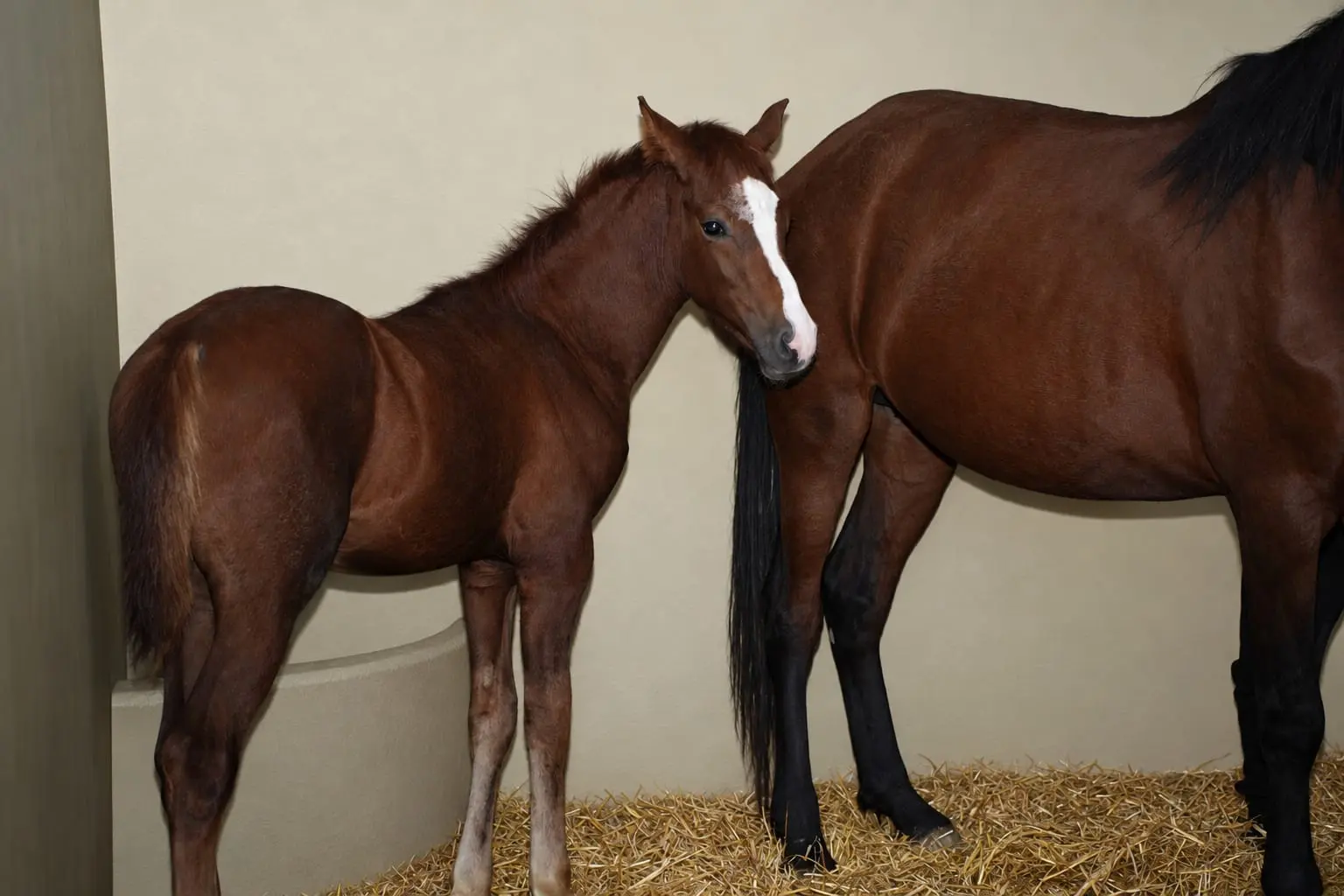
After eleven months of pregnancy, the birth of a foal is a special moment for any stud. Foaling usually goes smoothly, but the first hours are decisive. Here is what to know and what to watch for.
The warning signs
In the final weeks, the mare shows several signs:
- the udder develops, often two to four weeks before term;
- the ligaments on either side of the tail relax;
- drops of dried milk, known as “waxing”, appear on the teats, often 24 to 48 hours beforehand;
- the mare becomes restless, lies down and gets up, and sweats.
Many mares foal at night, in peace and quiet: discreet monitoring, by camera or regular rounds, makes it possible to step in if needed without disturbing them.
Foaling
Once the waters break, delivery is quick: usually 20 to 30 minutes. The forelegs appear first, one slightly ahead of the other, followed by the nose. If labour does not progress or the presentation looks abnormal, call the vet straight away: with mares, every minute counts.
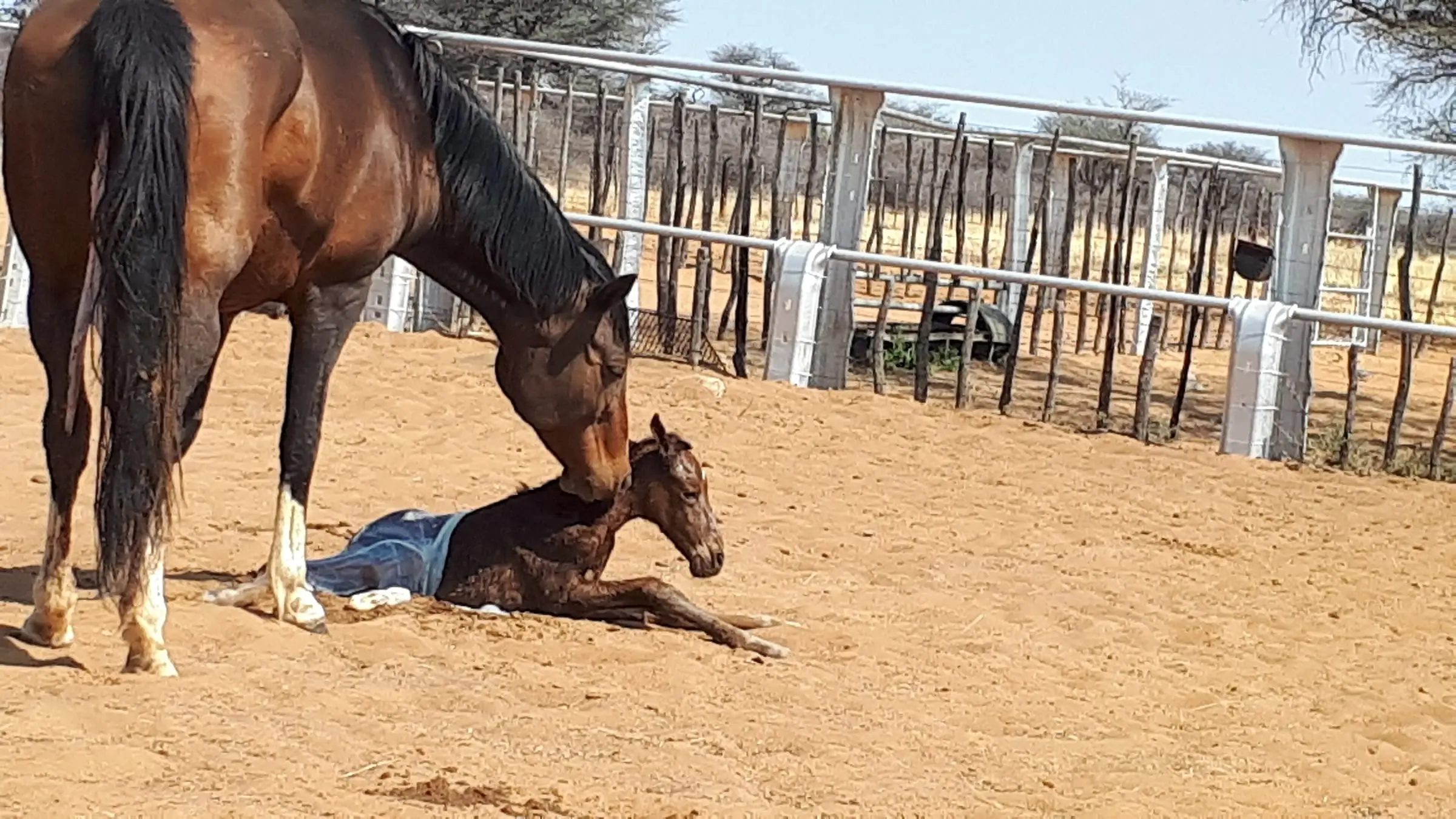
The 1-2-3 rule
Vets sum up the key milestones with a simple rule:
- 1 hour: the foal is standing;
- 2 hours: it is suckling;
- 3 hours: the mare has passed the placenta.
A delay at any of these steps is a reason to call the vet. Keep the placenta so the vet can check it is complete.
Colostrum comes first
A foal is born without antibodies: it receives them through colostrum, its mother’s first milk. Its ability to absorb them drops sharply within the first 12 to 24 hours. Make sure it suckles early and enough; a blood test lets the vet confirm that the transfer of immunity has worked.

First care
- disinfect the umbilical cord;
- check that the foal passes its meconium, its first droppings, within the first few hours;
- let the mare and foal bond in a clean, well-bedded stall;
- book a veterinary check within 24 hours.
Registering the birth
In Morocco, births are recorded in SOREC’s Faras application, the starting point for identifying the foal. Read what comes next in the foal’s first months, and meet our 2026 foals.
Frequently asked questions
- When should a foal stand after birth?
- Usually within an hour: the first step of the 1-2-3 rule (standing within 1 hour, suckling within 2 hours, placenta passed within 3 hours).
- Why is colostrum so important?
- A foal is born without antibodies: it gets them from colostrum, which it must drink early, as it absorbs them less and less after 12 to 24 hours.
- When should you call the vet?
- If foaling does not progress, if the presentation looks abnormal or if any of the 1-2-3 steps is late; and for the check-up within 24 hours.
Read next
Breeding2 min read
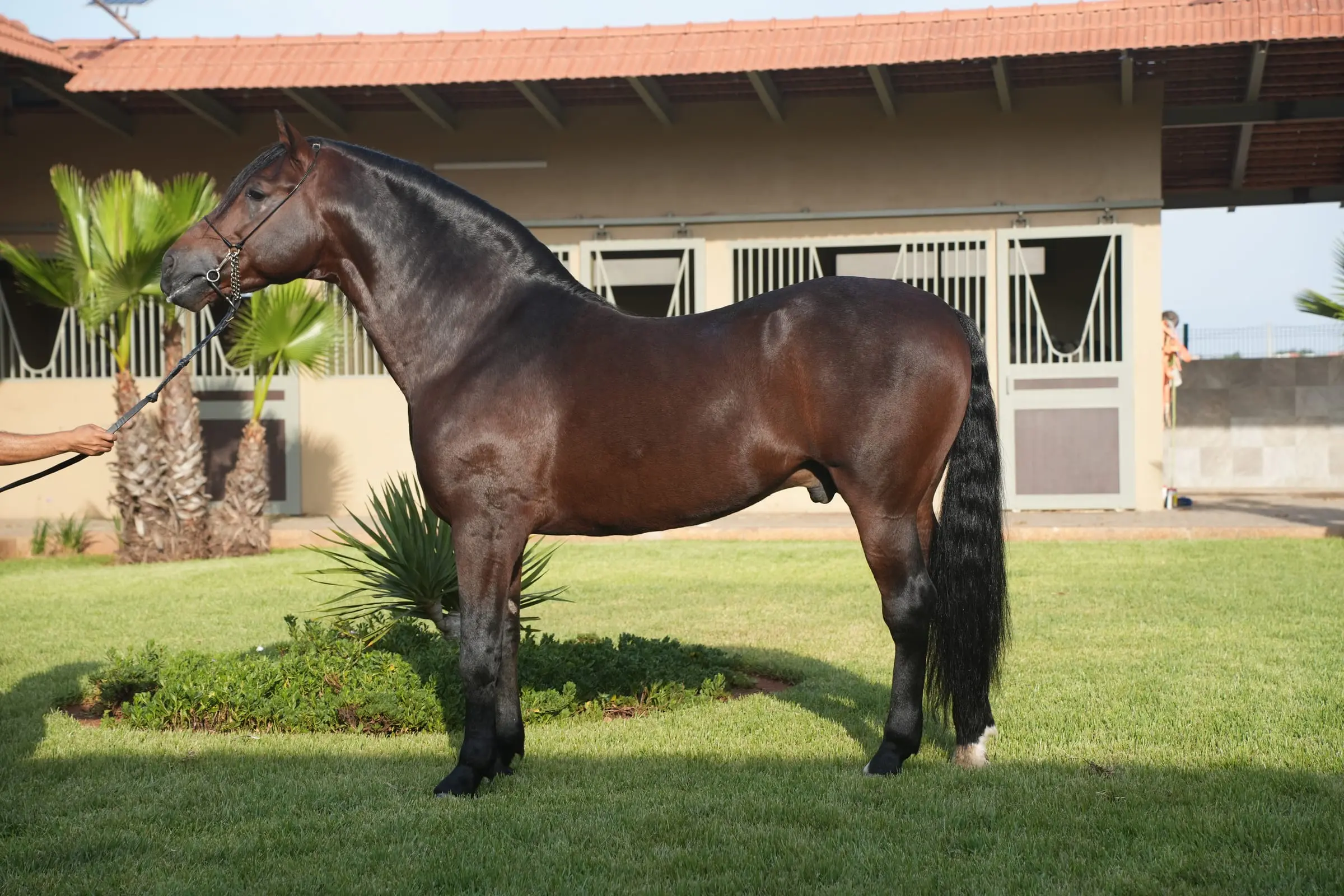
The breeding season in Morocco: from covering to foaling
The official season from 1 February to 30 June, the mare’s cycle, covering or insemination, scanning and eleven months of pregnancy: the key stages of breeding.
Breeding2 min read
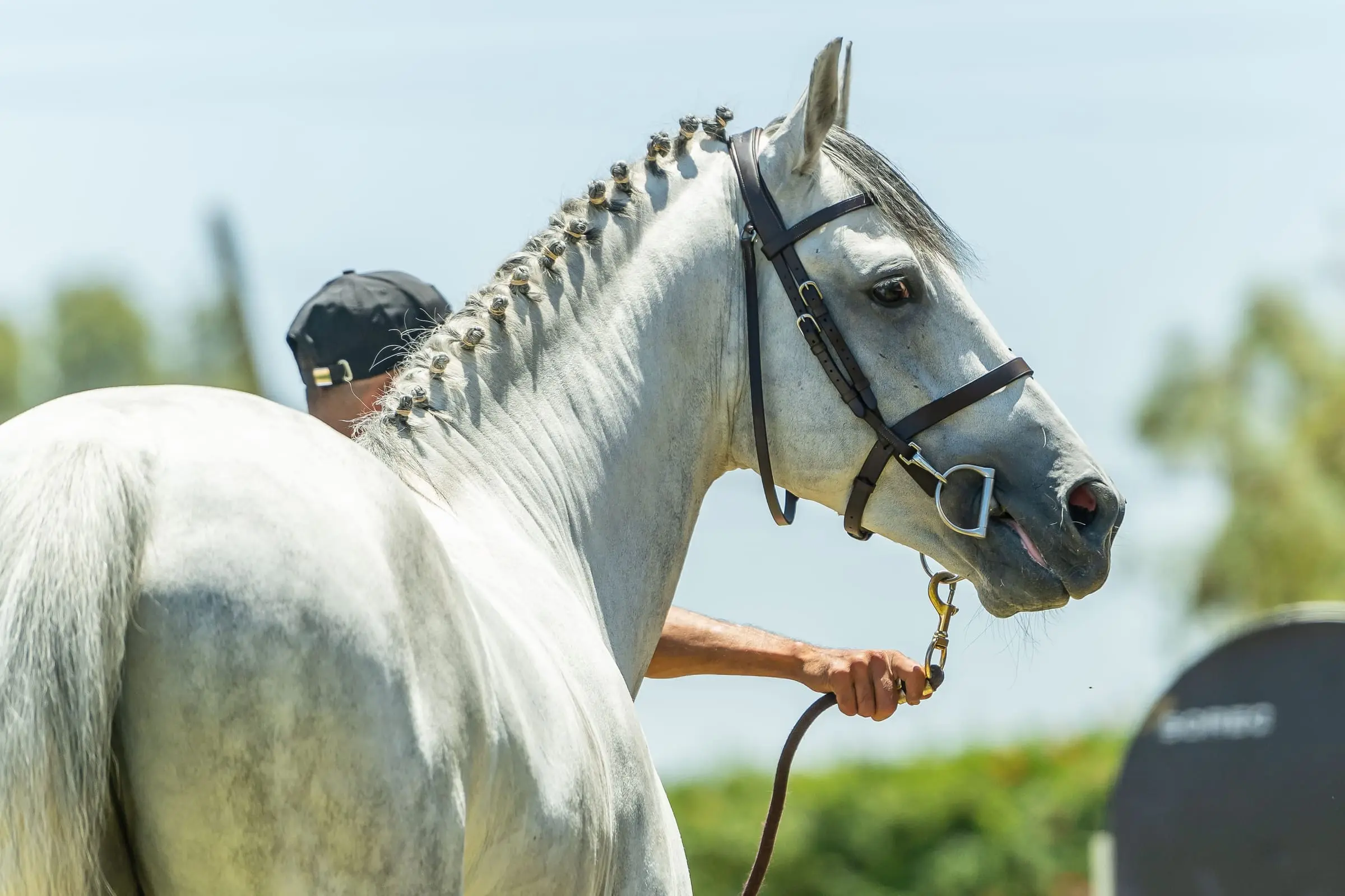
Conformation and gaits shows: how horses are judged
In-hand presentation, conformation and gait criteria, preparing your horse: understanding Barb and Arab-Barb breeding shows in Morocco.
Breeding2 min read
Choosing a breeding stallion: the criteria of selective breeding
Bloodlines, conformation, gaits, temperament, health, fertility and the quality of his foals: the criteria for choosing the stallion that will move your breeding forward.