Breeding2 min read
A foal’s first months: growth, care and weaning
Feeding, handling, veterinary care, hoof trimming and weaning at around six months: how to guide a foal from birth to weaning.
Published 11 October 2026
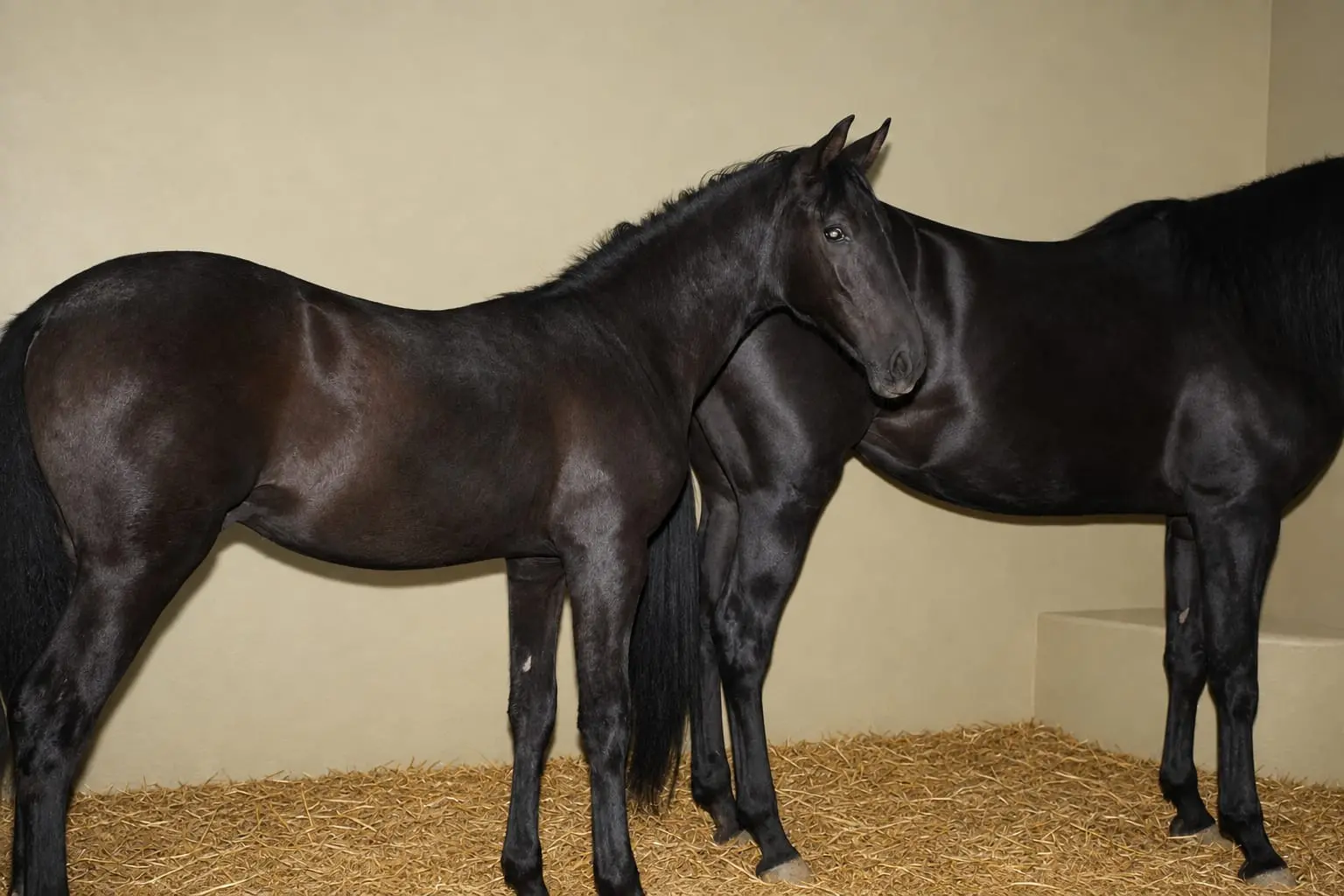
Once the first hours are over, the foal enters a period of very rapid growth. The months that follow shape its health, its limbs and its character. Here are the main stages up to weaning.
Rapid growth
A foal grows very fast in its first year. For the first few weeks it lives almost entirely on its mother’s milk, then starts nibbling hay and the mare’s feed. Feeding the nursing mare well is therefore essential.
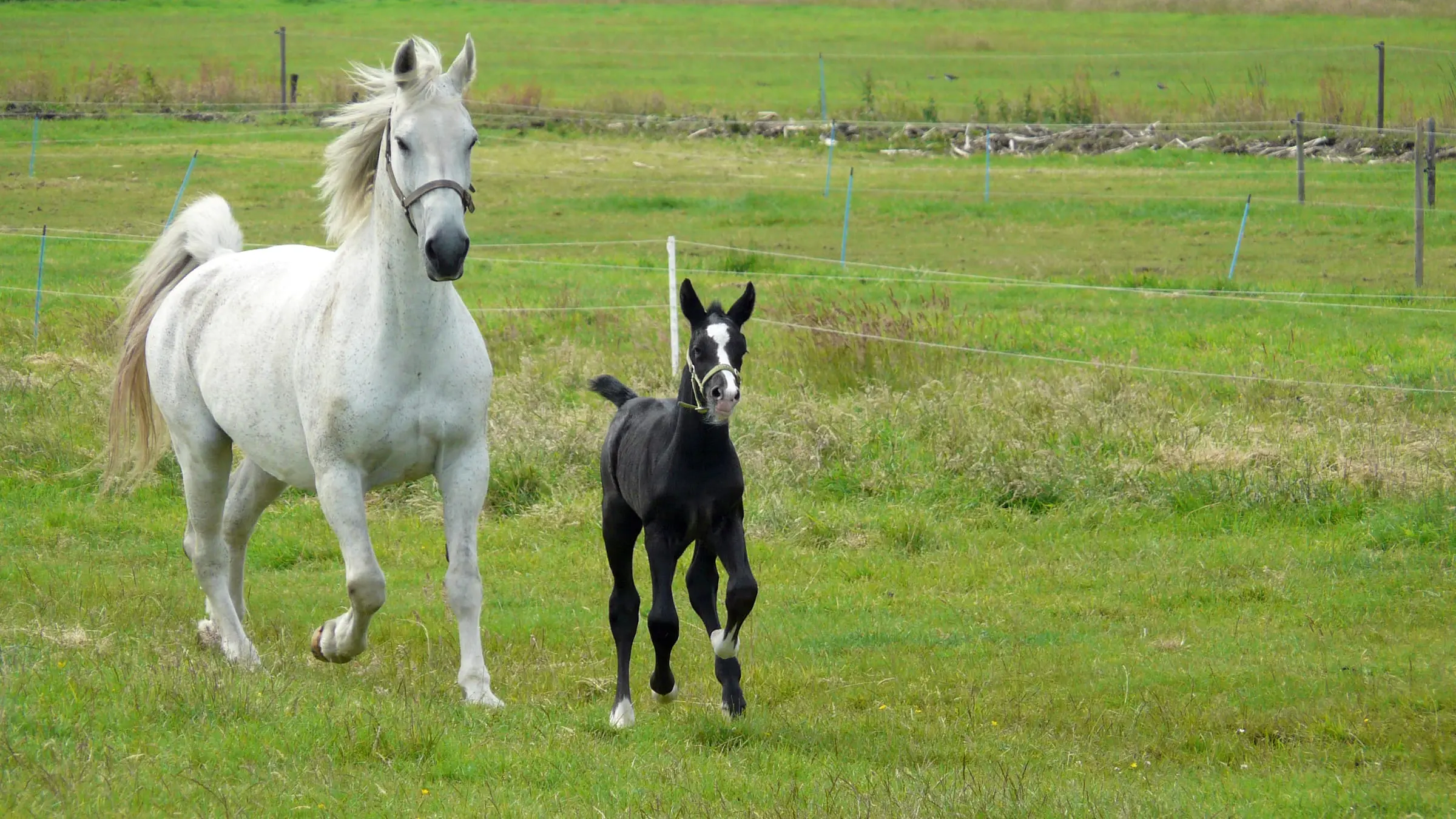
On the move with its mother
Mare and foal live together, ideally with daily access to a paddock or pasture where the foal can let off steam. Free movement helps bones, joints and muscles develop properly.
First handling
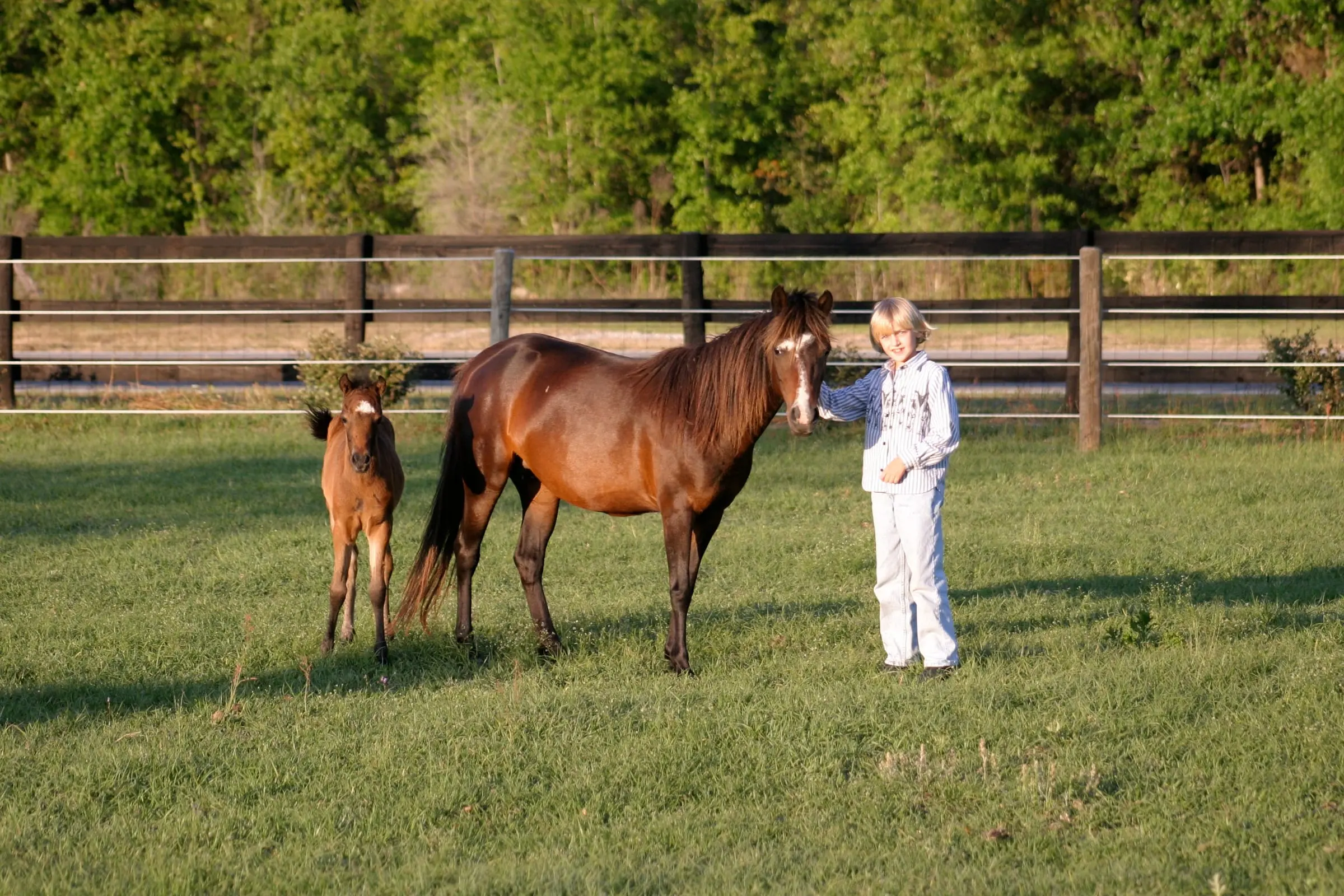
From the first days, short sessions get the foal used to people:
- being touched all over;
- wearing a headcollar and leading in hand;
- picking up its feet;
- standing quietly during care.
Done gently and patiently, these lessons make the horse easier to care for, transport and train later on.
Veterinary care and feet
Worming, vaccinations and growth checks follow a programme agreed with the vet, suited to the stud and the region. The farrier checks and trims the feet regularly: small early corrections help the limbs grow straight.
Weaning
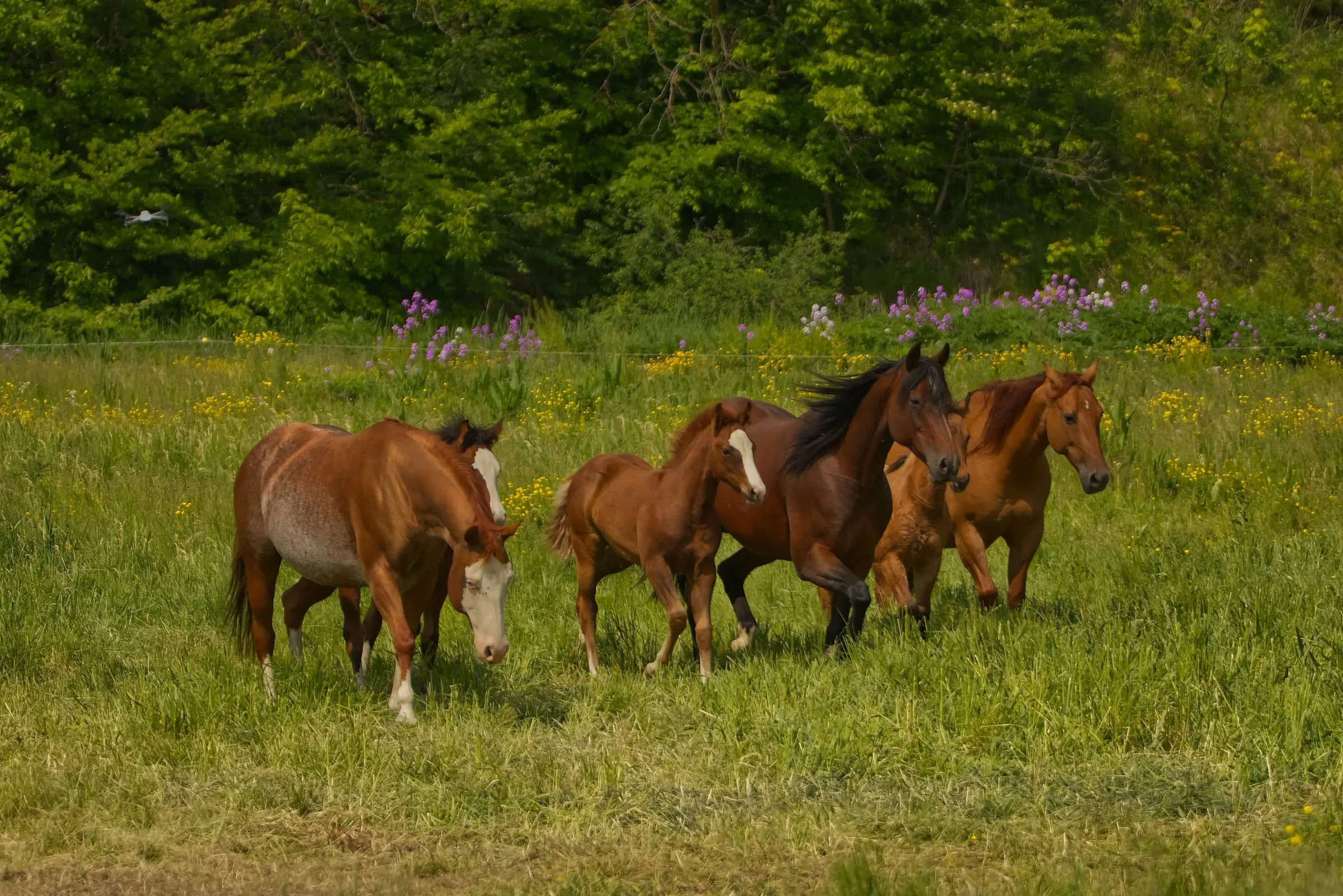
Weaning usually takes place between 4 and 7 months, most often at around 6 months. To limit stress, gradual weaning is preferred: the foal is separated from its mother in stages and kept with other foals of the same age.
Identification
In Morocco, the birth recorded in SOREC’s Faras application is used to issue the foal’s identification document and register it in the stud-book: see horse identification in Morocco.
To look back at the first hours, read the birth of a foal, and meet our 2026 foals.
Frequently asked questions
- At what age is a foal weaned?
- Usually between 4 and 7 months, most often at around 6 months, and gradually.
- When should you start handling a foal?
- From the first days, with short, gentle sessions: being touched, wearing a headcollar, picking up its feet.
- What veterinary care does a foal need?
- Worming, vaccinations and growth checks, following a programme agreed with the vet.
Read next
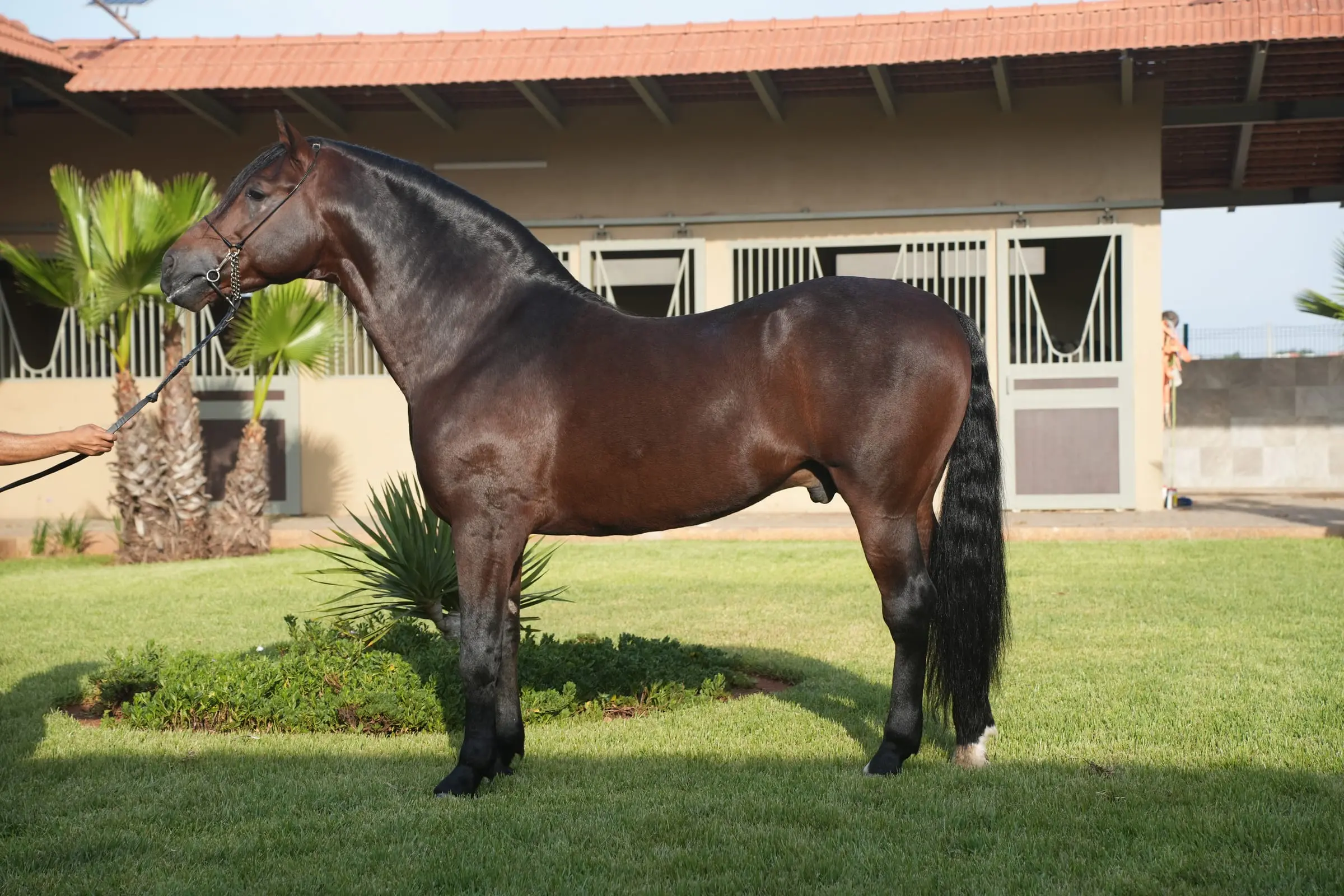
Breeding2 min read
The breeding season in Morocco: from covering to foaling
The official season from 1 February to 30 June, the mare’s cycle, covering or insemination, scanning and eleven months of pregnancy: the key stages of breeding.
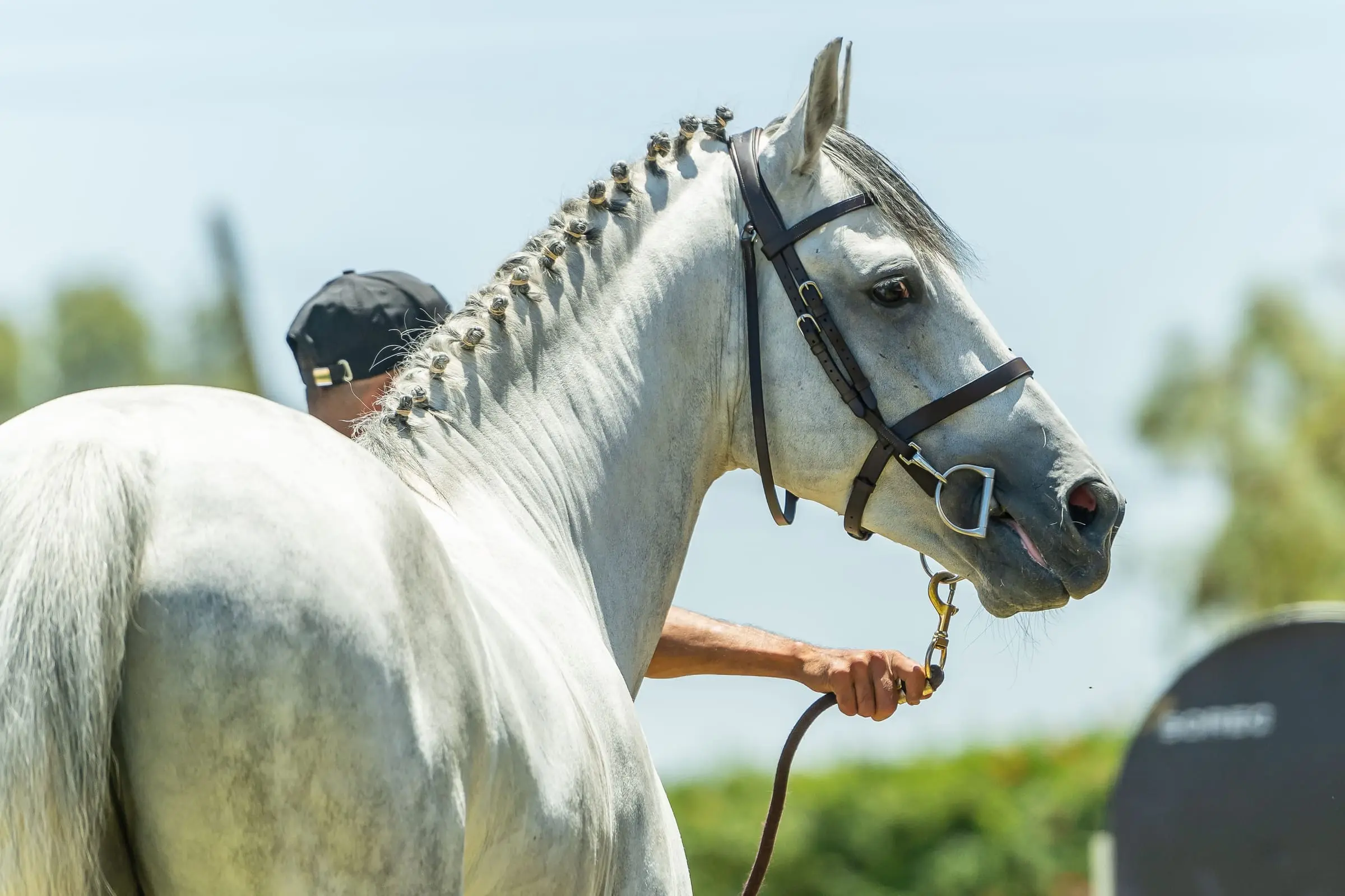
Breeding2 min read
Conformation and gaits shows: how horses are judged
In-hand presentation, conformation and gait criteria, preparing your horse: understanding Barb and Arab-Barb breeding shows in Morocco.
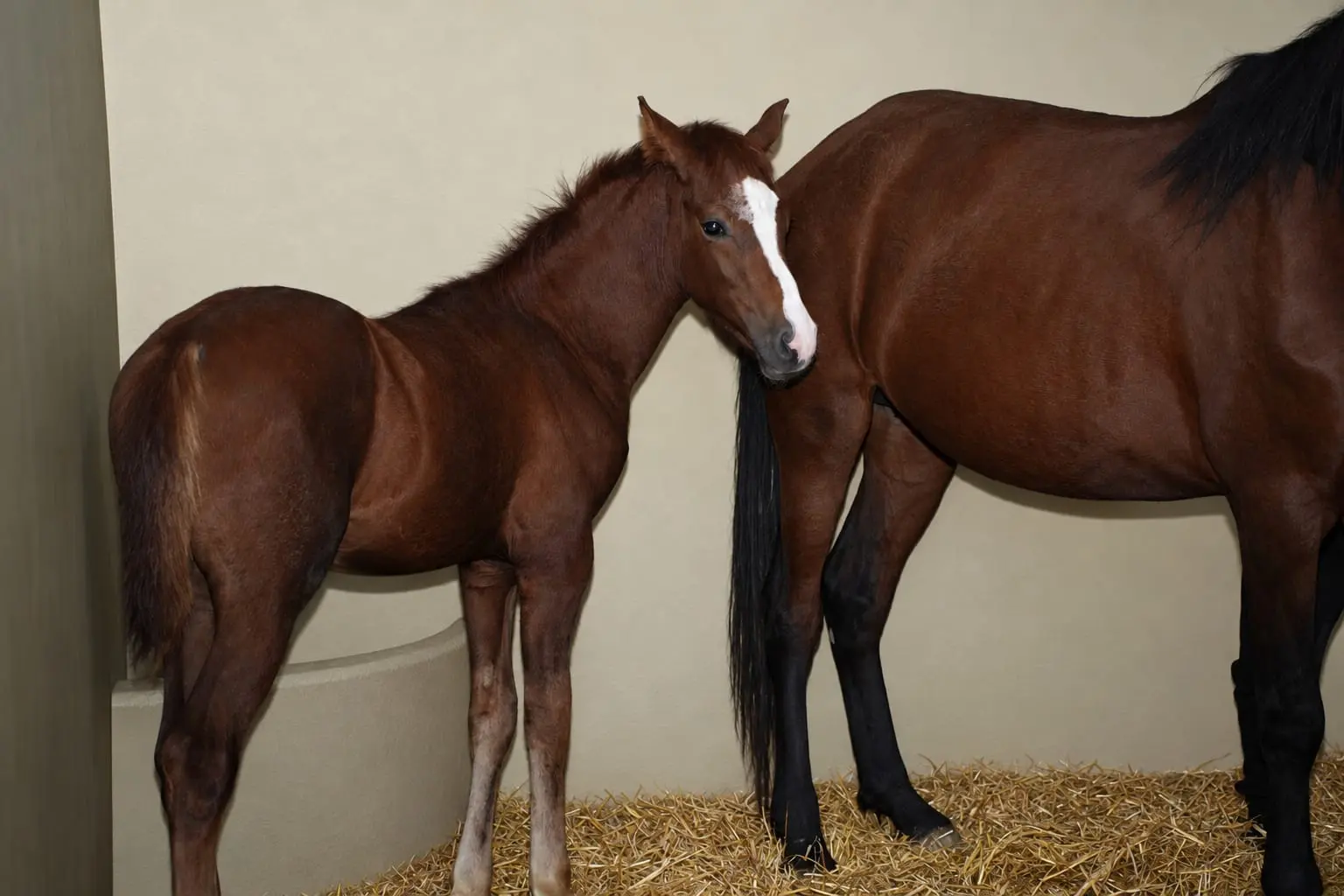
Breeding2 min read
The birth of a foal: signs of foaling and the first hours
Warning signs, how foaling unfolds, the 1-2-3 rule, colostrum and first care: what to watch for when a foal is born.