Tbourida2 min read
Tbourida, the Moroccan equestrian art on UNESCO’s heritage list
Its origins, how a charge unfolds, the role of the mqaddem and the official competitions: all about Tbourida, inscribed on UNESCO’s intangible heritage list in 2021.
Published 11 October 2026
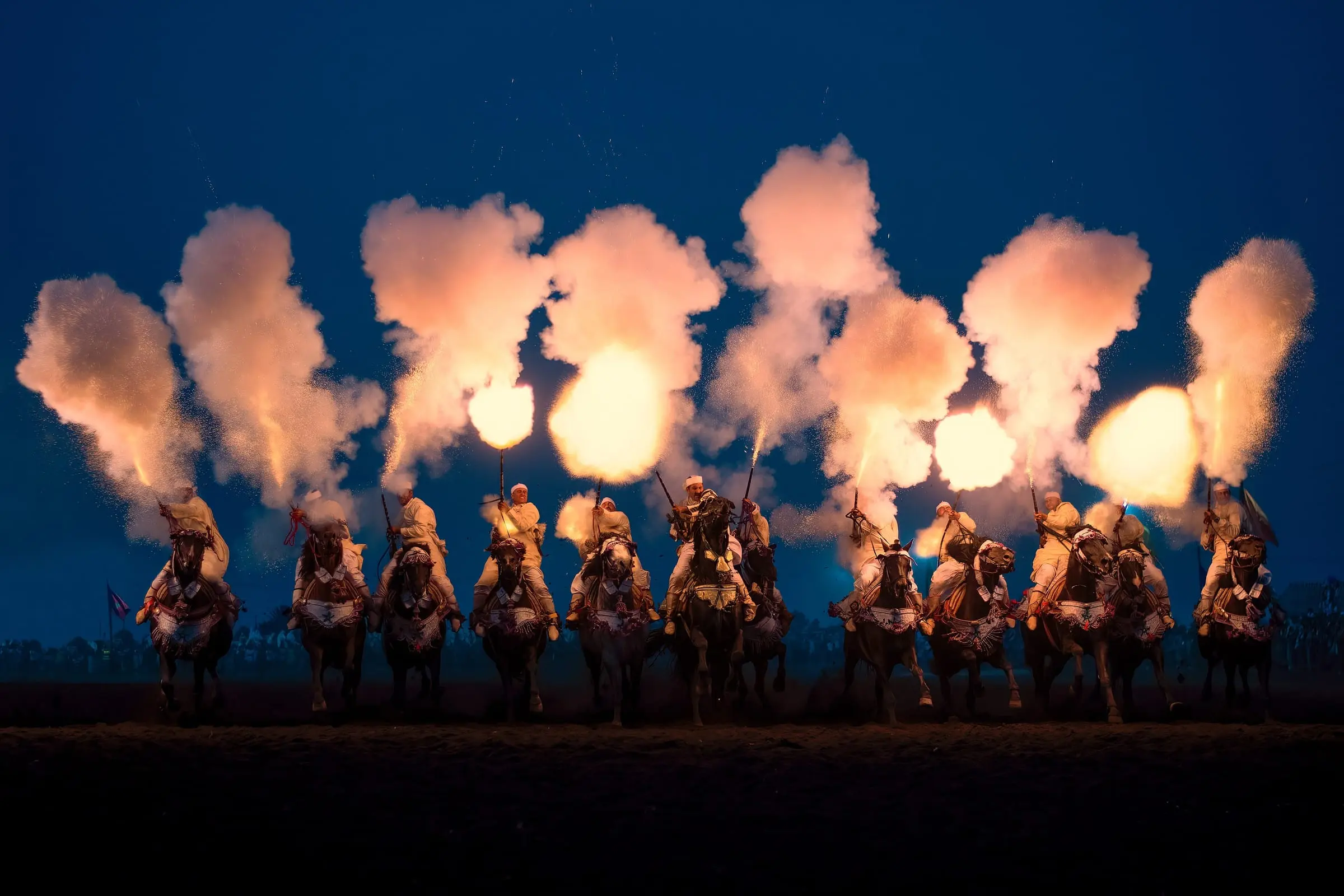
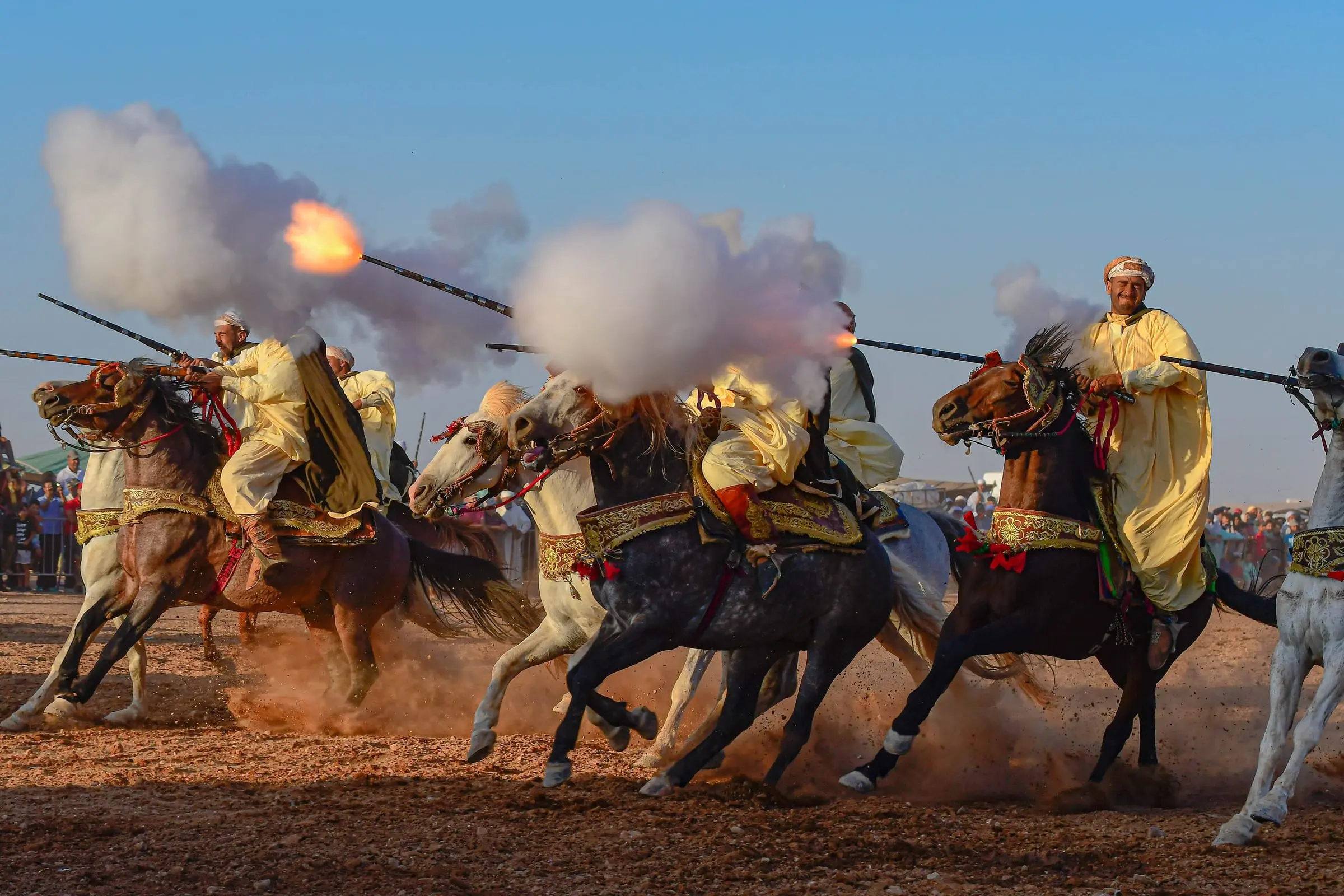
A line of riders in traditional dress breaks into a gallop, rifles raised, then fires as one: Tbourida, also known as fantasia, is one of the most striking spectacles of Moroccan heritage. It is also a demanding art that depends as much on the horse as on the rider.
A legacy from the 15th century
The word Tbourida comes from “baroud”, gunpowder. According to SOREC, this equestrian art dates back to the 15th century. Practised mainly in rural areas during moussems and religious and national festivals, it is a living expression of the Kingdom’s cultural identity.
In 2021, Tbourida was inscribed on UNESCO’s Representative List of the Intangible Cultural Heritage of Humanity. This recognition calls on the whole equine sector to preserve and pass on this heritage.
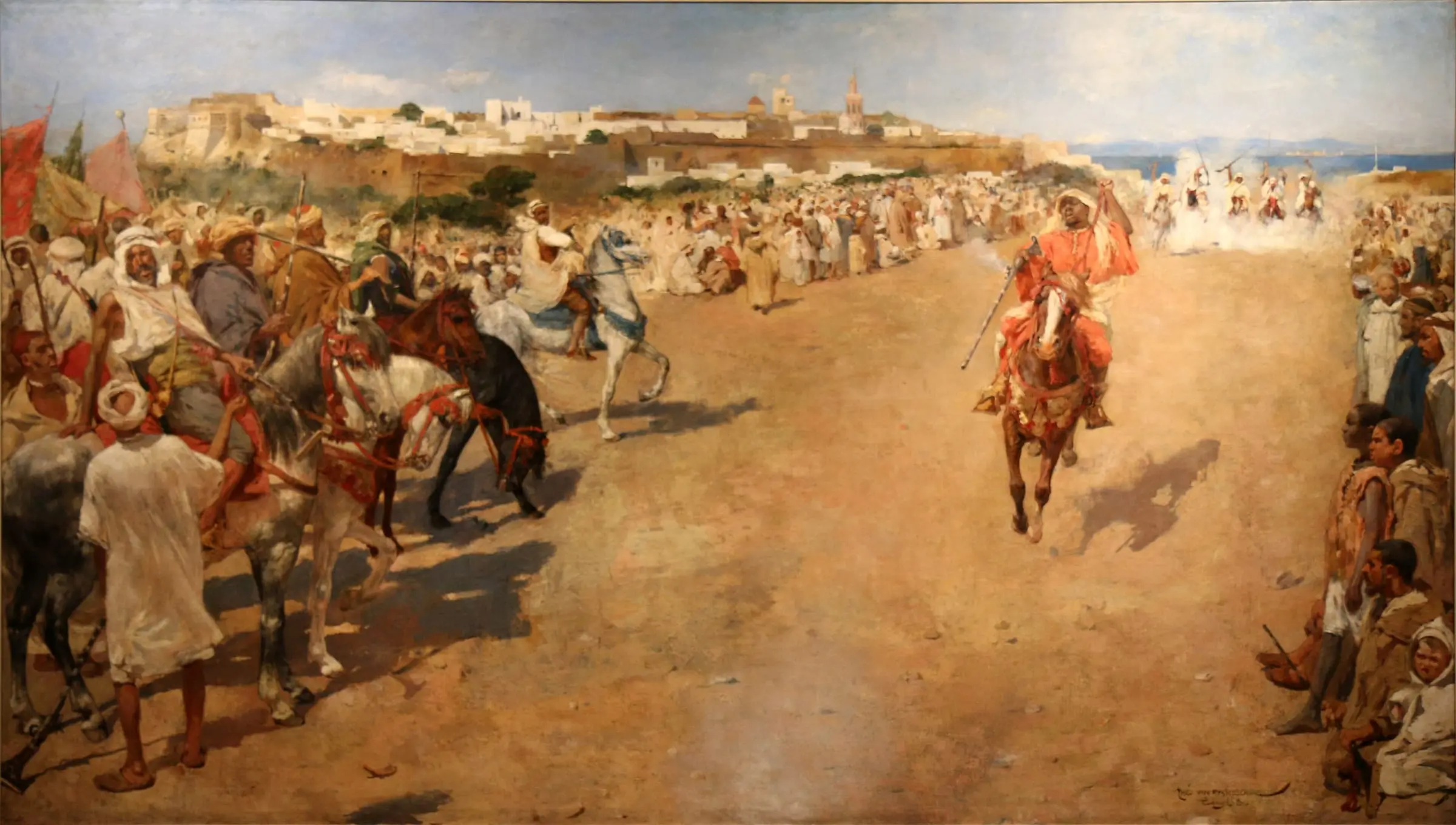
The sorba and its mqaddem
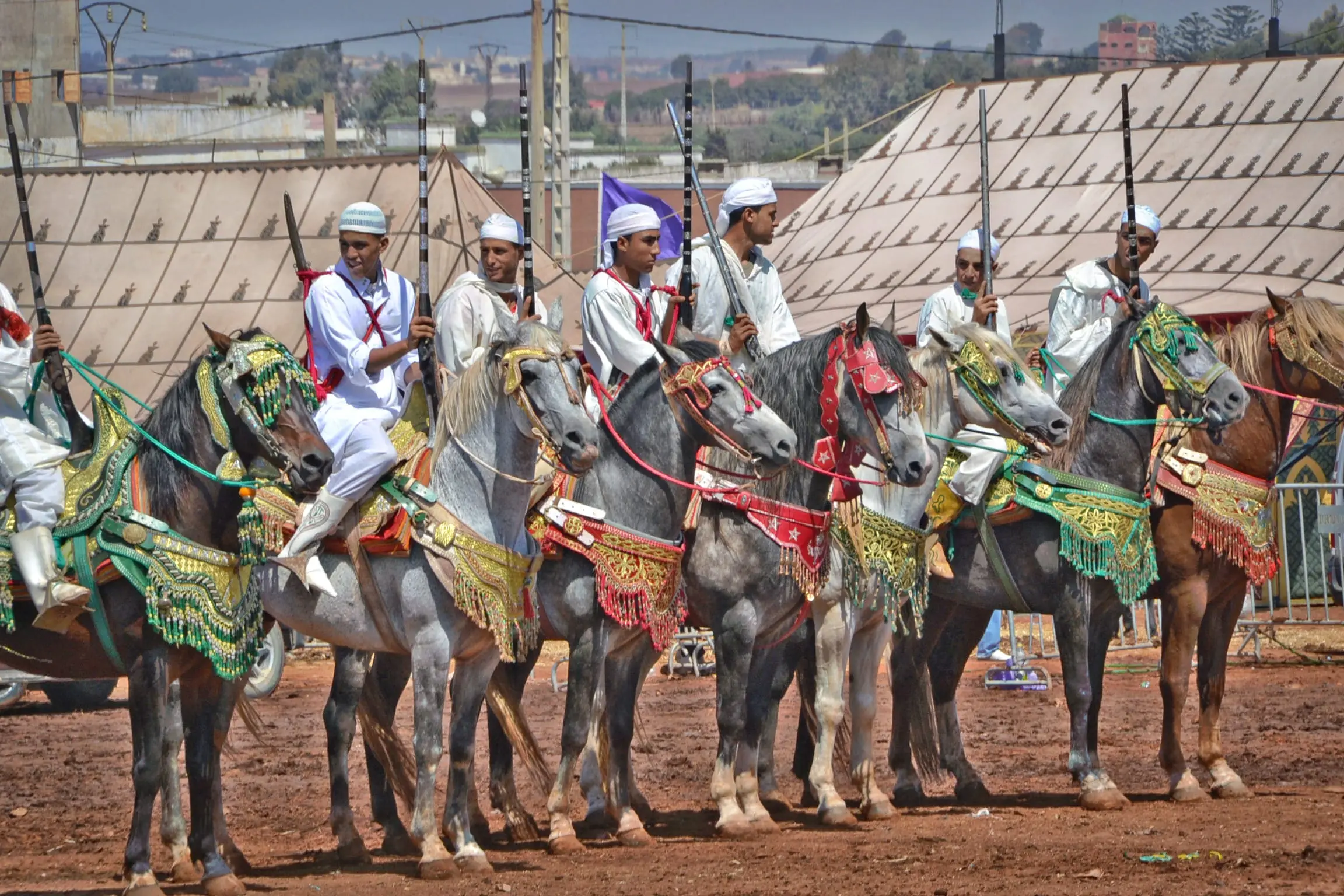
Tbourida is performed by a troupe, the sorba. Its riders wear traditional dress and ride horses adorned with embroidered saddles and tack. The troupe is led by the mqaddem, who keeps the line straight and gives the signal to fire.
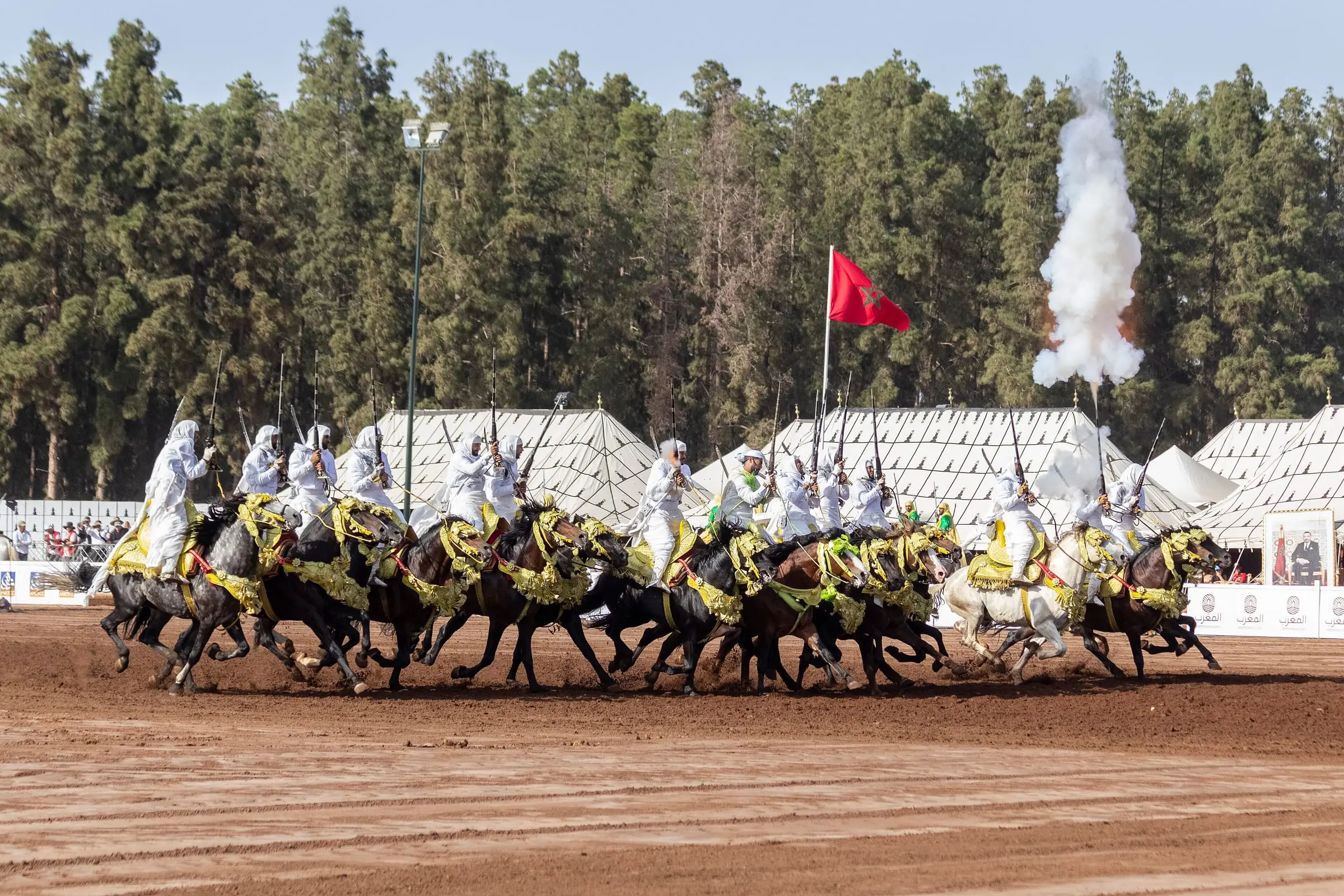
The charge starts at a walk, with the riders perfectly aligned, before the sorba bursts into a gallop down a straight track. On the signal, everyone fires their traditional musket, the moukahla, at the same moment. Spectators and judges alike wait for a single detonation: the more synchronised the volley, the better the performance. The alignment of the horses, the riders’ dress and the beauty of the tack also count.
One detonation, one line: Tbourida is the art of turning a troupe into a single rider.
Official competitions
Official Tbourida competitions are organised every year by SOREC in partnership with the Royal Moroccan Equestrian Sports Federation (FRMSE). They follow several stages:
- 24 regional competitions, the first level of competition across the Kingdom’s regions;
- 3 inter-regional competitions, for the North, the Centre and the South;
- the Hassan II Tbourida Trophy, the national championship held at the Dar Es-Salam complex in Rabat;
- the Grand Prix of His Majesty King Mohammed VI for Tbourida, held during the El Jadida Horse Show.
Horses prepared for the powder
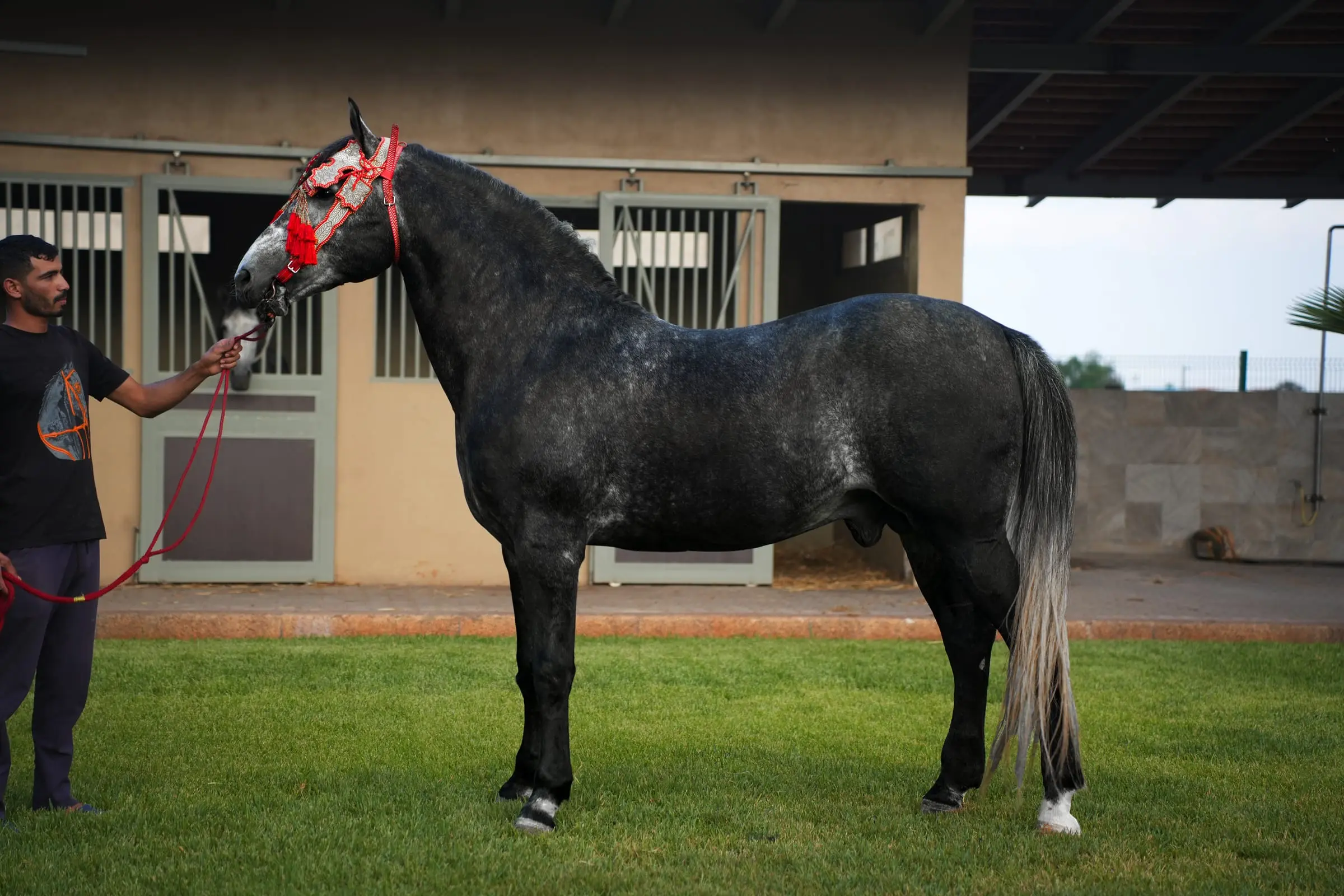
Tbourida horses are usually Barbs and Arab-Barbs, known for their courage and composure. A good Tbourida horse starts fast and straight, stays in line with its neighbours and keeps calm when the guns fire. We look at these qualities in Which horse for Tbourida?
At El Adiyat Stud, part of our breeding is geared towards riding use, fantasia and handiness above all: discover our breeding goals and our horses.
Frequently asked questions
- What is the difference between Tbourida and fantasia?
- They are the same equestrian art: Tbourida is the Moroccan name, from “baroud”, gunpowder; fantasia is the name that became common in French and English.
- When was Tbourida inscribed by UNESCO?
- In 2021, on the Representative List of the Intangible Cultural Heritage of Humanity.
- Where can you see Tbourida in Morocco?
- At moussems and festivals, and at the official competitions run by SOREC and the FRMSE: regional and inter-regional events, the Hassan II Trophy at Dar Es-Salam (Rabat) and the Grand Prix of His Majesty King Mohammed VI at the El Jadida Horse Show.
Read next
Tbourida2 min read
Which horse for Tbourida? The qualities that matter
Courage, composure, a fast start, balance and stamina: the qualities of a good Tbourida horse, the favoured breeds and how the horse is prepared.
Breeds2 min read
The Arab-Barb, Morocco’s most widespread horse
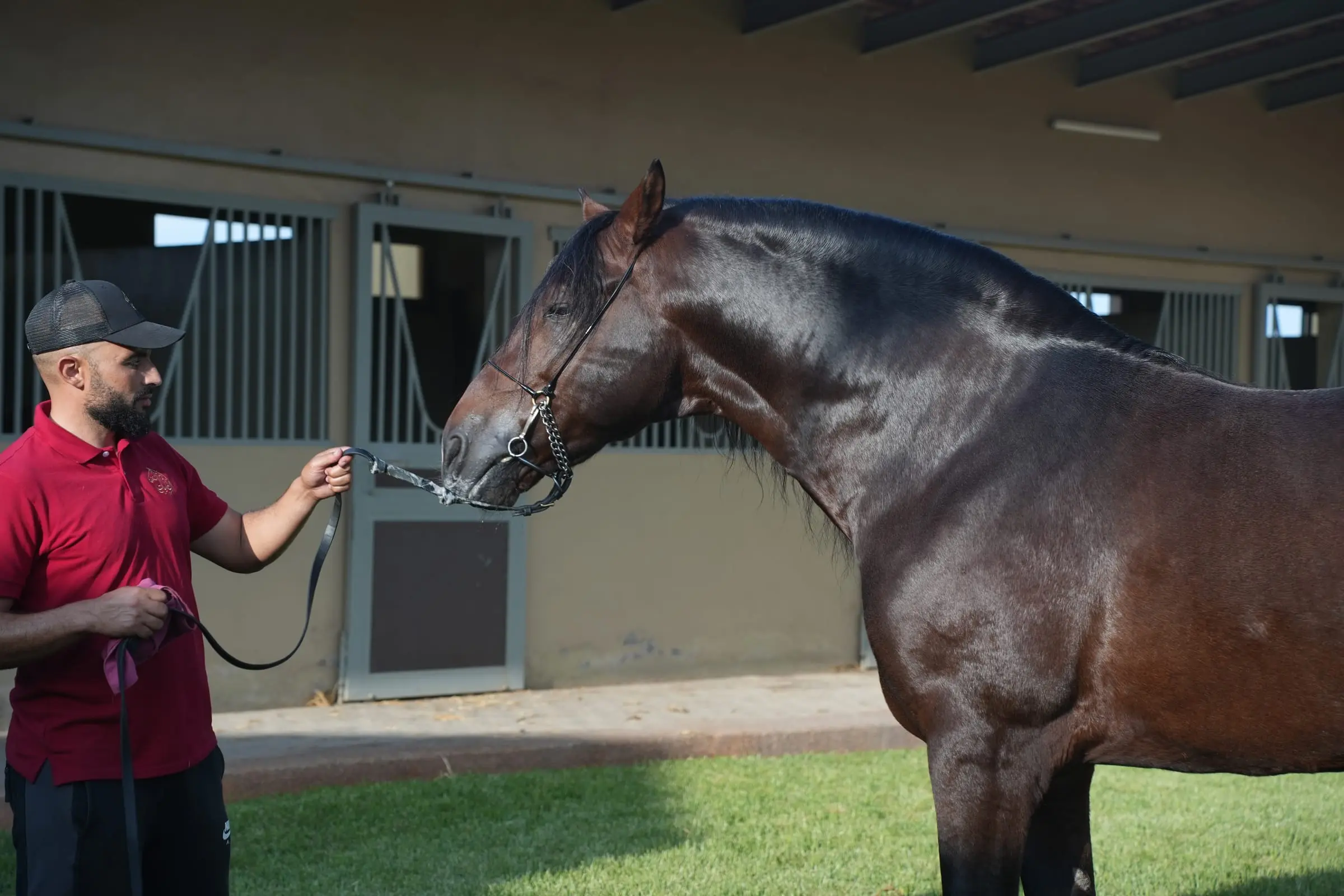
Bred from the Purebred Arabian and the Barb, the Arab-Barb combines elegance and hardiness. The origins, conformation, temperament and uses of Morocco’s leading horse.
Breeding2 min read
The breeding season in Morocco: from covering to foaling
The official season from 1 February to 30 June, the mare’s cycle, covering or insemination, scanning and eleven months of pregnancy: the key stages of breeding.