Breeds2 min read
The Barb horse: origins, conformation and uses
Native to the Maghreb for some 3,500 years, the Barb is hardy, enduring and versatile. Its origins, conformation, temperament and disciplines explained.
Published 11 October 2026
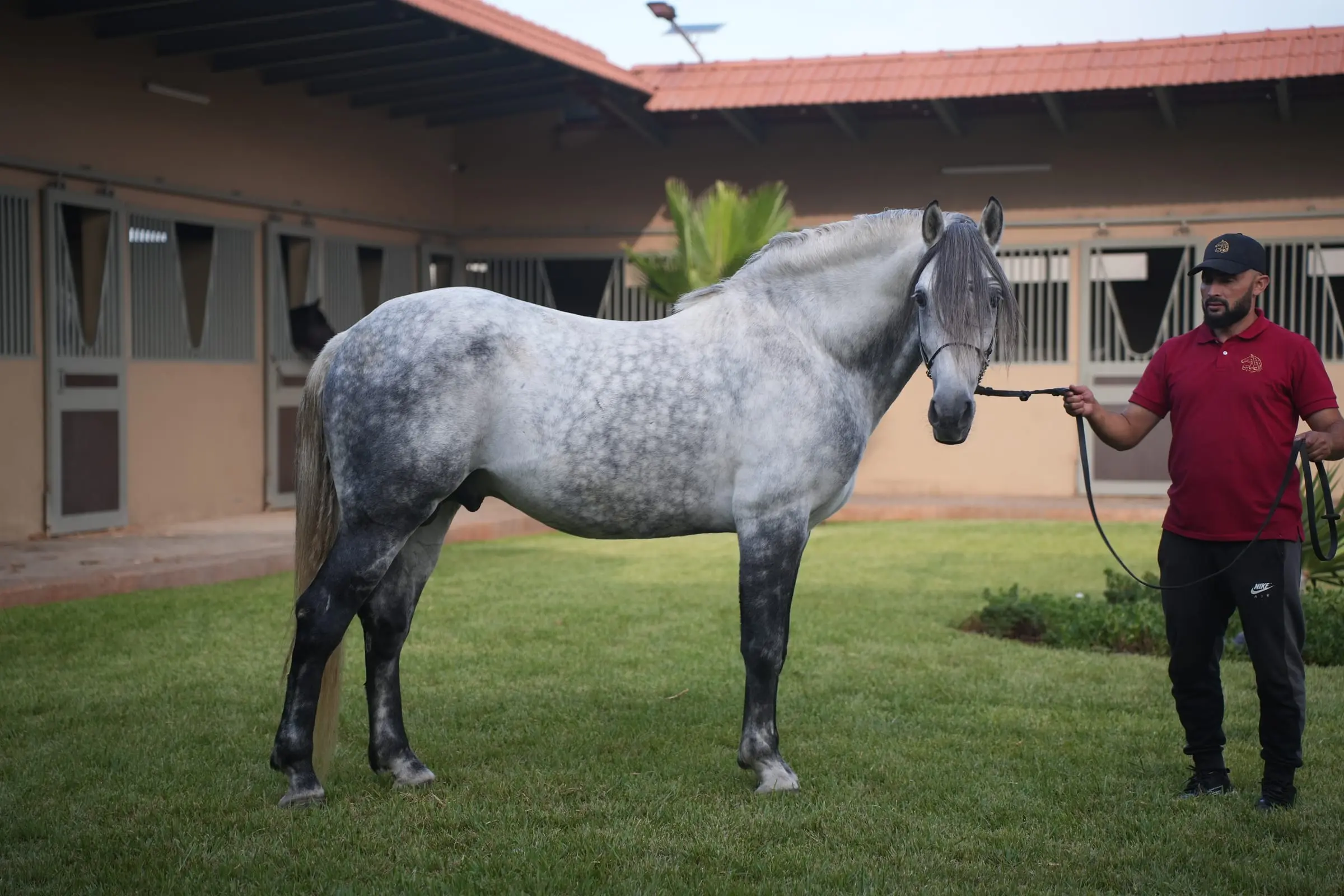
Among the horses of Morocco, the Barb holds a special place. The companion of North African horsemen for thousands of years, it has left its mark on the equestrian history of the whole Mediterranean and remains the emblematic mount of Tbourida. Here is what you need to know about the breed we raise at El Adiyat Stud.
A horse born in the Maghreb
The Barb is native to the Maghreb: according to SOREC, it has been present in North Africa for around 3,500 years. The traditional companion of nomads from Libya to Morocco, by way of Tunisia and Algeria, it was also the mount of the horse breeders of the Atlas and the High Plateaus.
Its legendary endurance made it a sought-after war horse through the centuries, all the way to the conquest of Al-Andalus. Its conformation and character also led breeders to use it to improve other breeds: AMCBAB points out that Barbs are among the founders of the English Thoroughbred.
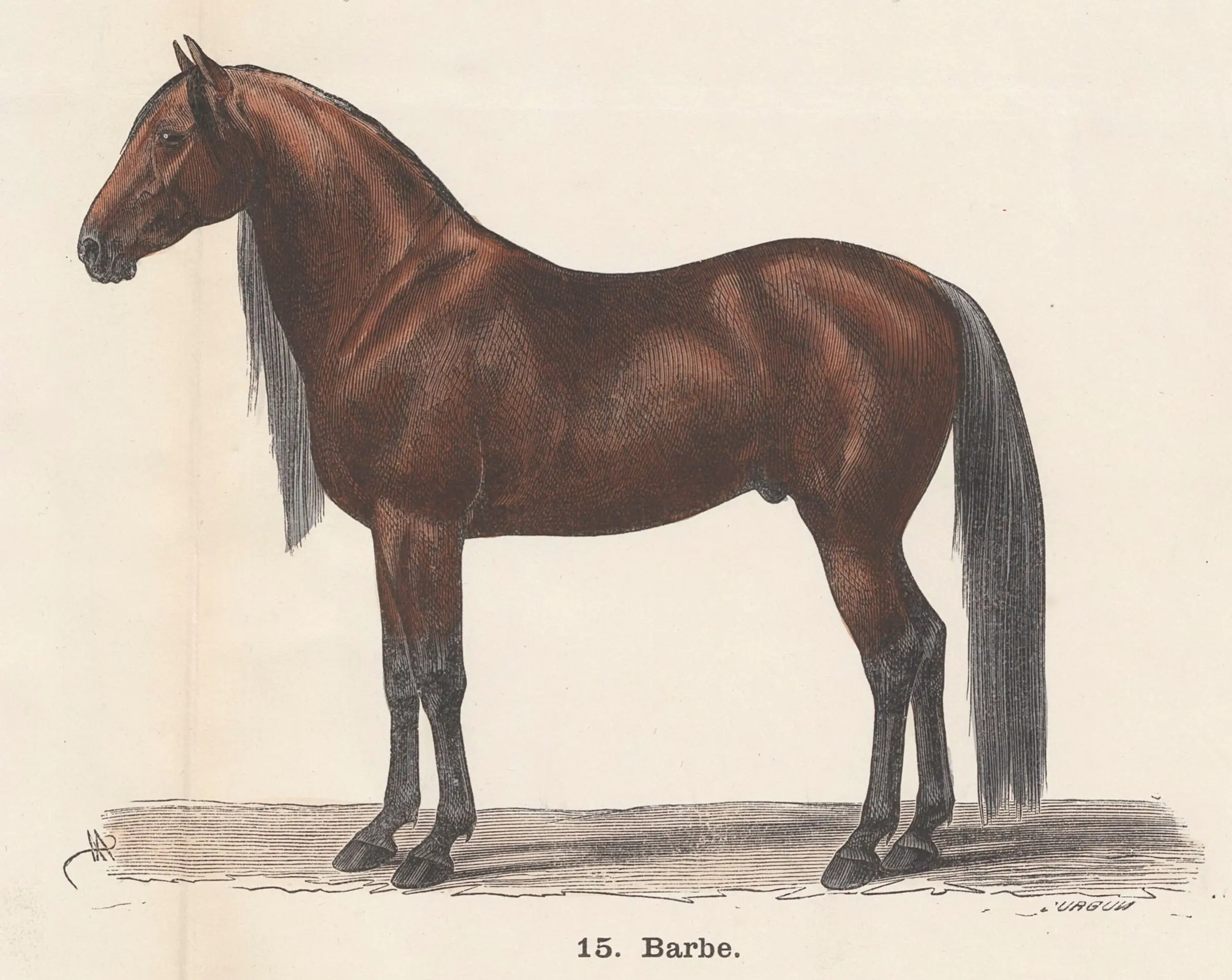
Conformation: a horse that “fits in a square”
The Barb is a medium-sized horse, between 1.45 m and 1.60 m. SOREC and AMCBAB describe in particular:
- a fairly strong head with a straight to slightly convex profile, often with heavy jowls;
- a slightly arched neck and well-defined withers;
- a gently sloping croup and a low-set tail;
- fine yet sturdy legs and small hooves with high heels;
- a compact frame that fits in a square, most often with a grey coat.
This conformation explains why it is so comfortable on hard, rough ground, with energetic gaits.
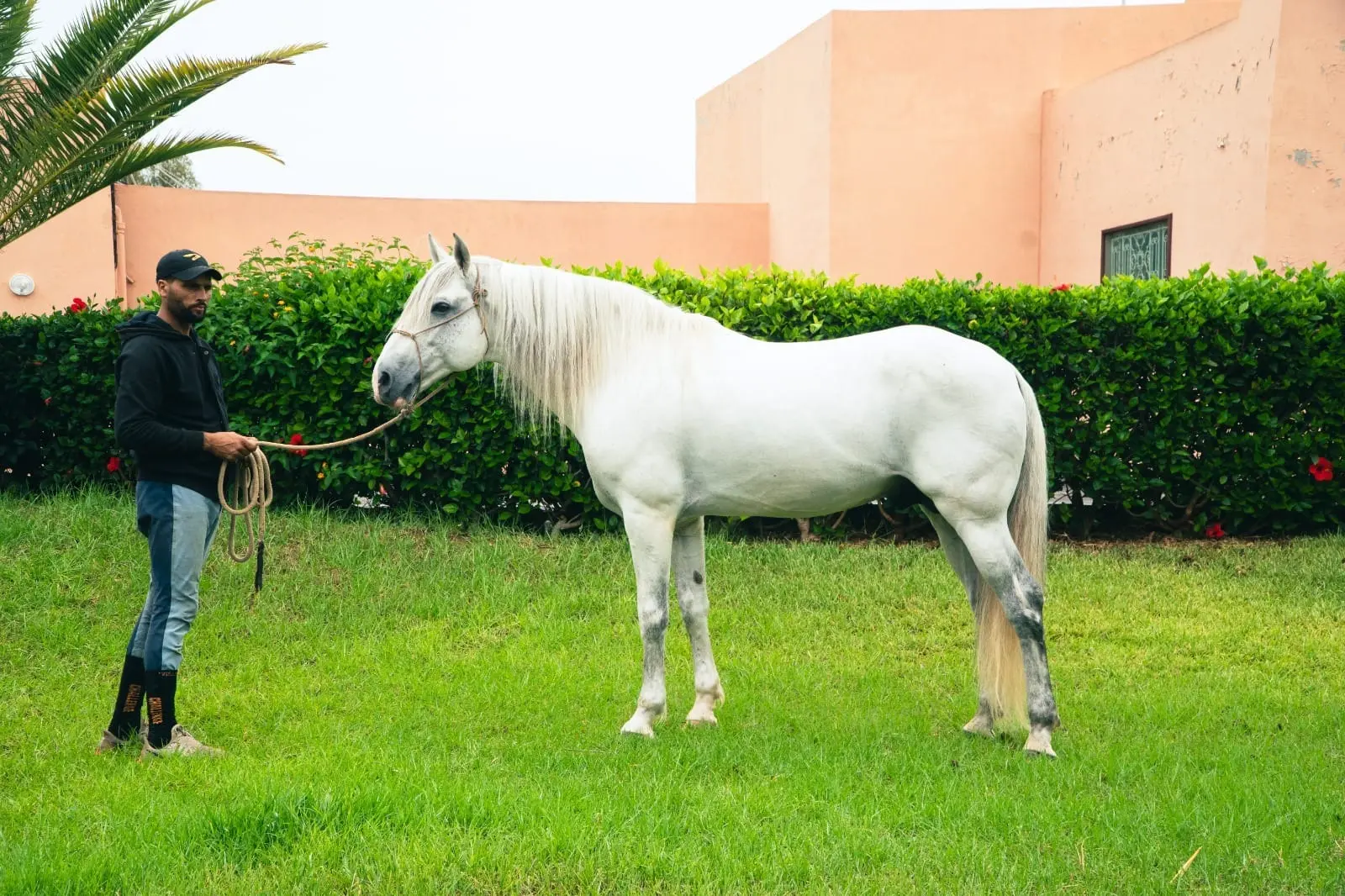
A balanced temperament
Breeders describe the Barb as brave, calm and tireless. This balanced temperament is one of its greatest strengths: it makes the Barb a reliable partner for leisure riders and competitors alike, and a horse that keeps its composure amid the noise of a Tbourida charge.
A wide range of uses
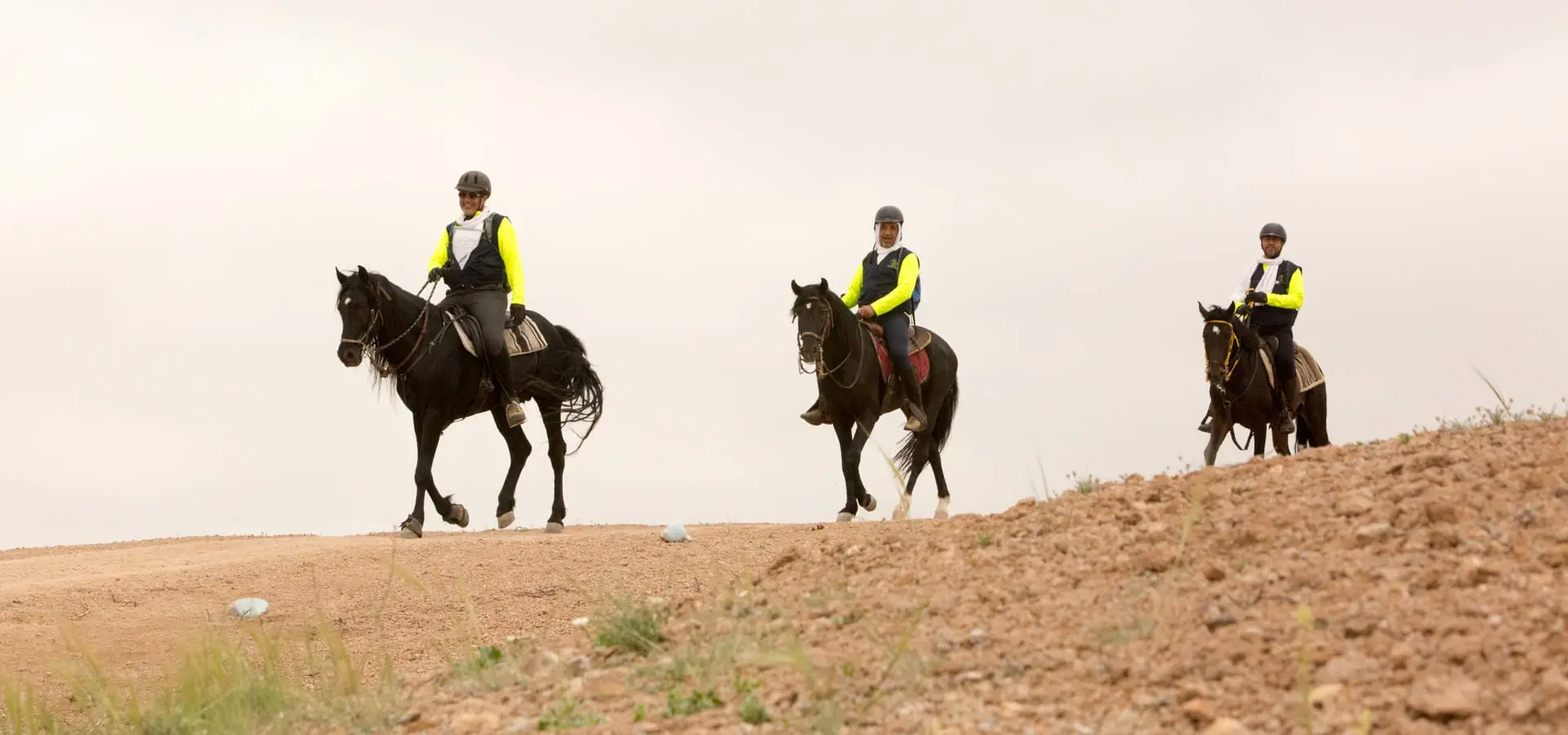
In the Maghreb the Barb is still associated with traditional riding, but its qualities also make it a highly versatile modern sport horse:
- Tbourida, for which it is the mount of choice;
- endurance, TREC and equestrian rallies, where its hardiness shines;
- working equitation and handiness, thanks to its obedience and agility;
- dressage, polo and trail riding.
A breed to preserve
In Morocco, SOREC counts around 5,000 identified Barbs, far fewer than the Arab-Barbs bred from its cross with the Purebred Arabian. Preserving authentic Barb bloodlines is therefore a major goal, pursued by SOREC and AMCBAB through breeding shows and stallion selection programmes.
At El Adiyat Stud, our Barb breeding stock comprises Jaoual CB, Nouarim Atlas and Mahassine Ouarcha. To see how it differs from its cousin, read Barb or Arab-Barb: how to tell them apart.
Frequently asked questions
- How tall is a Barb horse?
- The Barb is a medium-sized horse, standing between 1.45 m and 1.60 m according to SOREC.
- What is the most common Barb coat colour?
- Grey is the most common, but there are also bay, black and chestnut Barbs.
- How many Barb horses are there in Morocco?
- SOREC counts around 5,000 identified Barbs in Morocco, compared with 60,000 Arab-Barbs.
Read next
Breeds2 min read
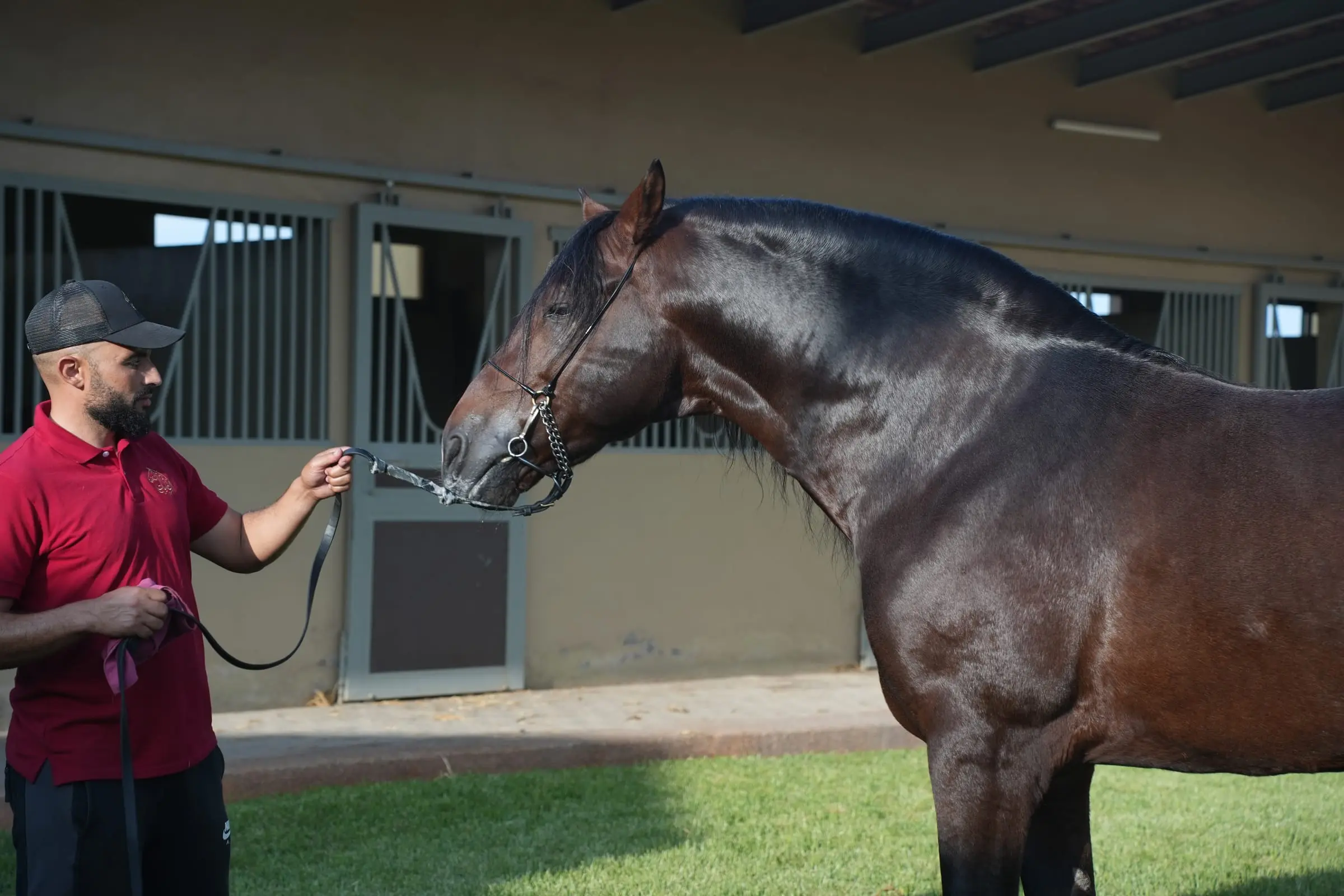
The Arab-Barb, Morocco’s most widespread horse
Bred from the Purebred Arabian and the Barb, the Arab-Barb combines elegance and hardiness. The origins, conformation, temperament and uses of Morocco’s leading horse.
Breeds2 min read
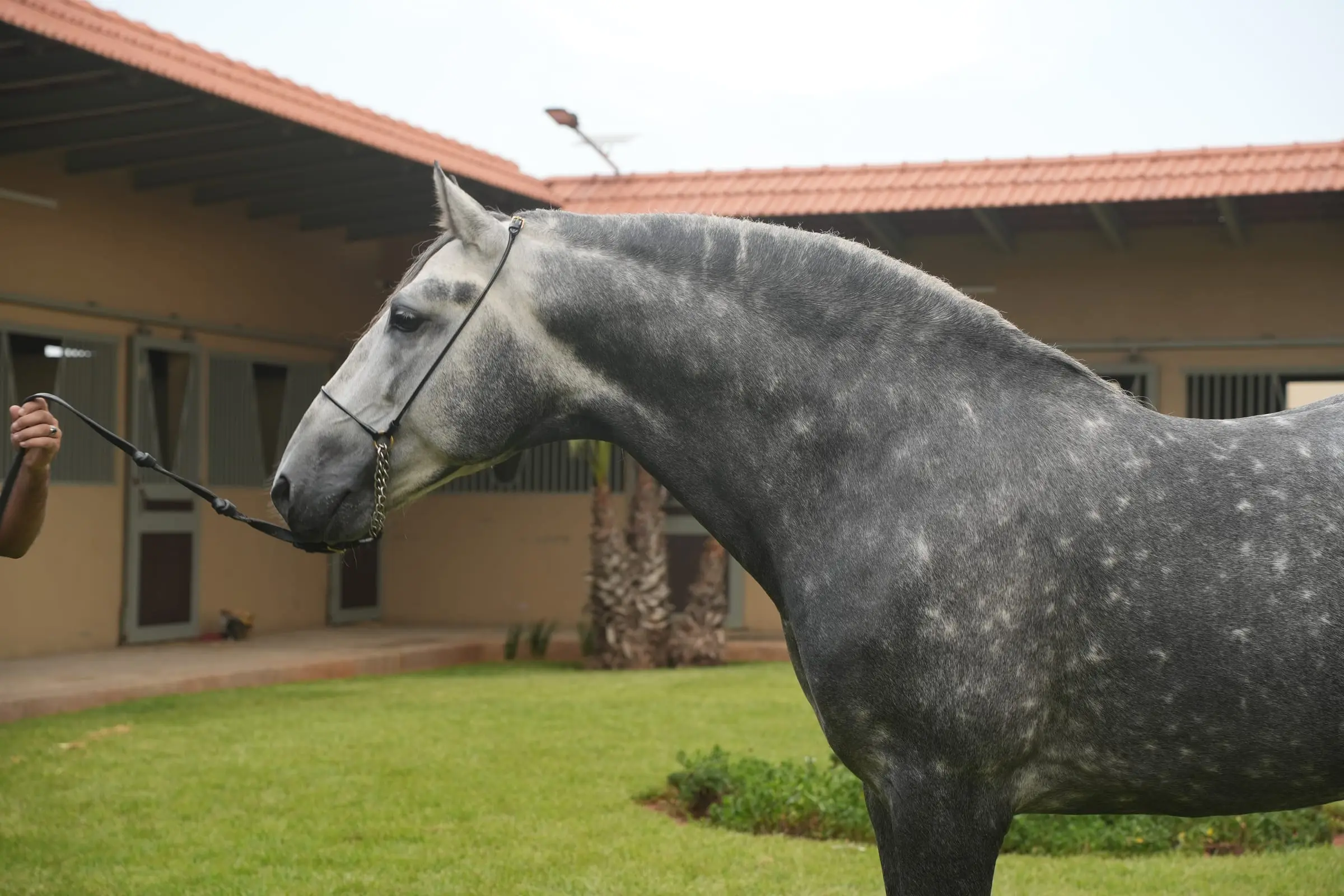
Barb or Arab-Barb: how to tell them apart
Head profile, build, origins, numbers and disciplines: the differences between the Barb and the Arab-Barb, Morocco’s two leading horse breeds.
Tbourida2 min read
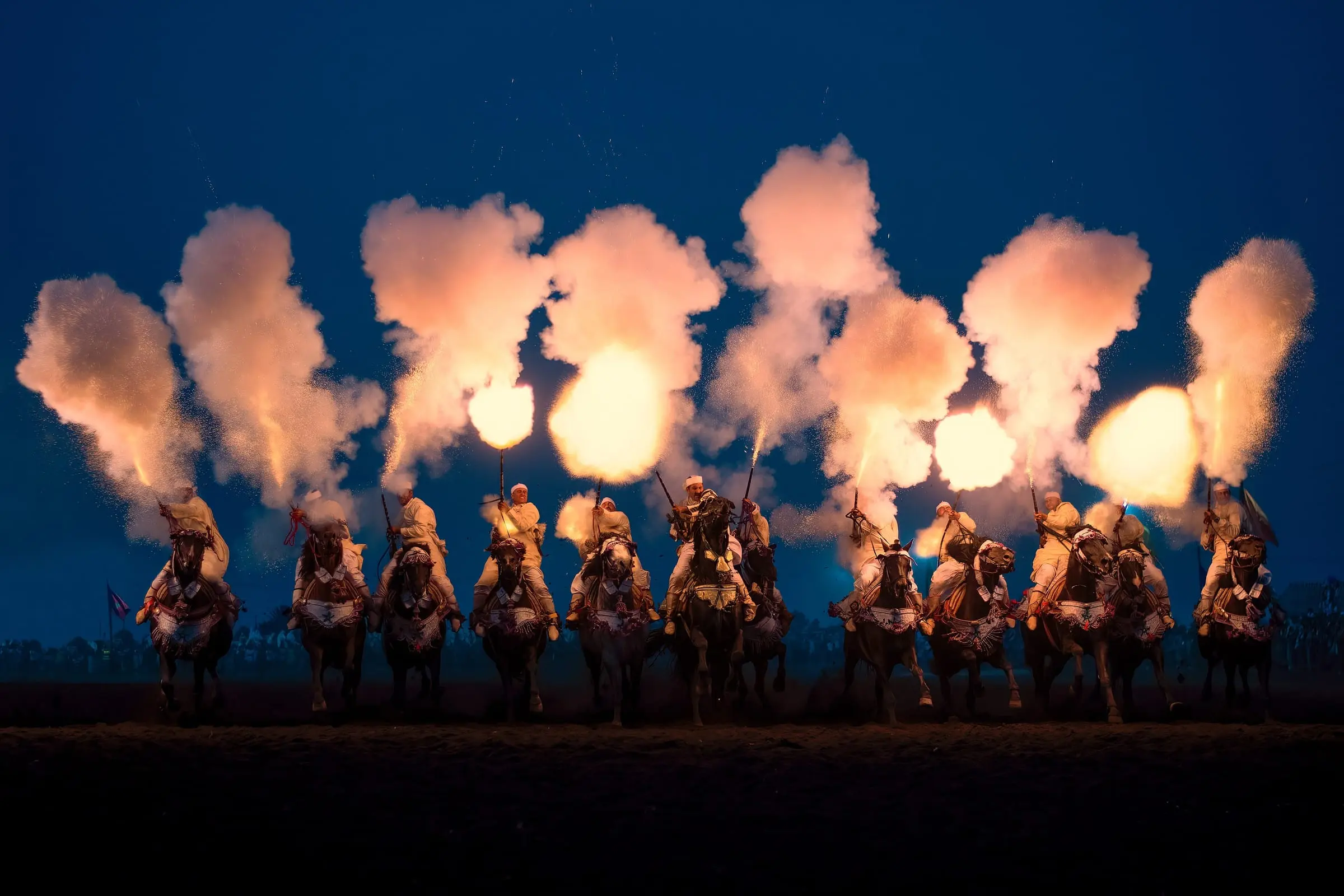
Tbourida, the Moroccan equestrian art on UNESCO’s heritage list
Its origins, how a charge unfolds, the role of the mqaddem and the official competitions: all about Tbourida, inscribed on UNESCO’s intangible heritage list in 2021.