Breeds2 min read
Barb or Arab-Barb: how to tell them apart
Head profile, build, origins, numbers and disciplines: the differences between the Barb and the Arab-Barb, Morocco’s two leading horse breeds.
Published 11 October 2026
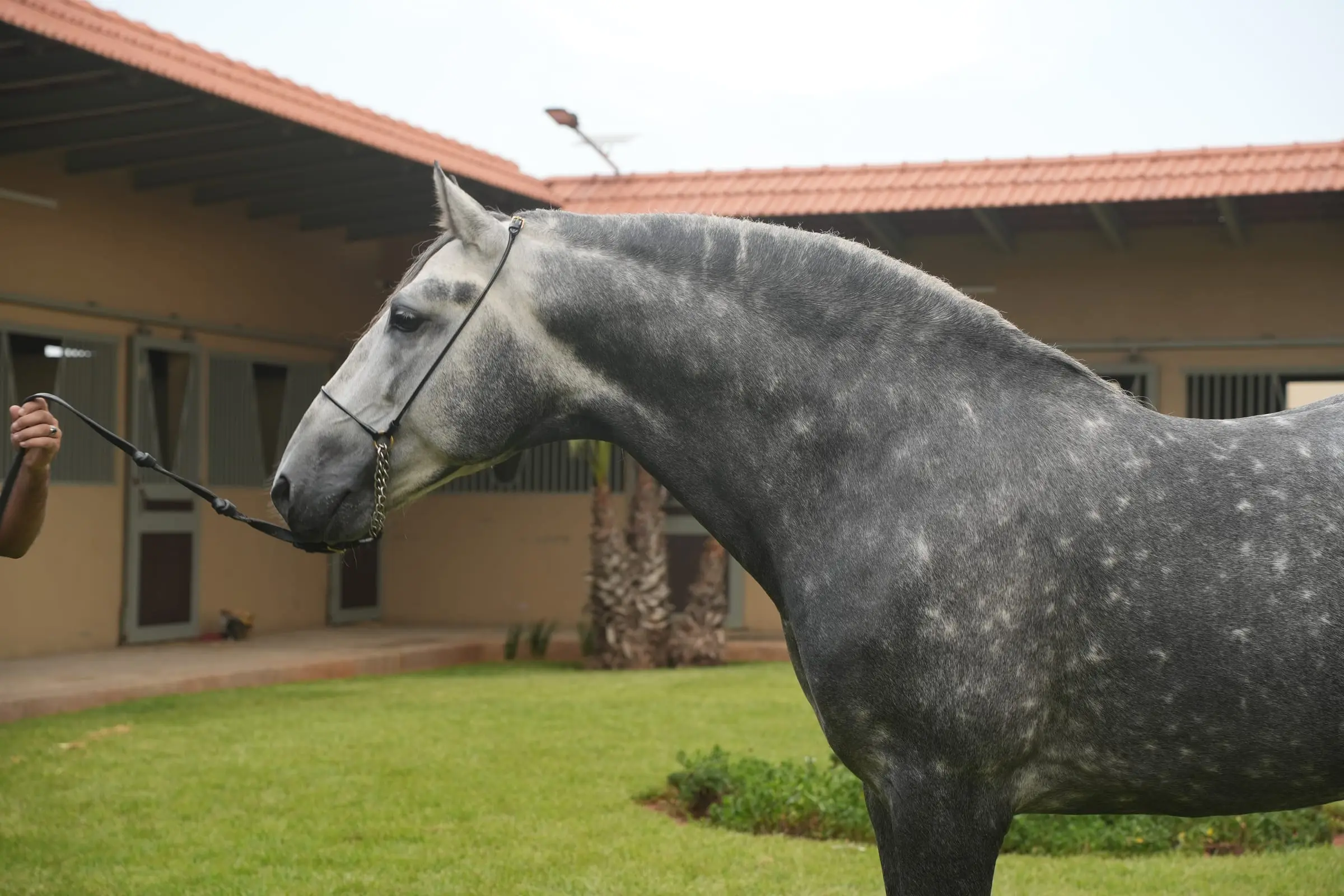
They look alike, stand the same height and often share the same disciplines… and yet the Barb and the Arab-Barb are two distinct breeds. Here is how to tell them apart.
Different origins
The Barb is native to the Maghreb and has been present in North Africa for around 3,500 years, according to SOREC. The Arab-Barb was born of crossing the Purebred Arabian with the Barb: it inherits the hardiness of the latter and the refinement of the former.
The head, the first clue
- Barb: a fairly strong head with a straight to slightly convex profile, often with heavy jowls;
- Arab-Barb: a finer, more expressive head, often with a concave or straight profile.
The build
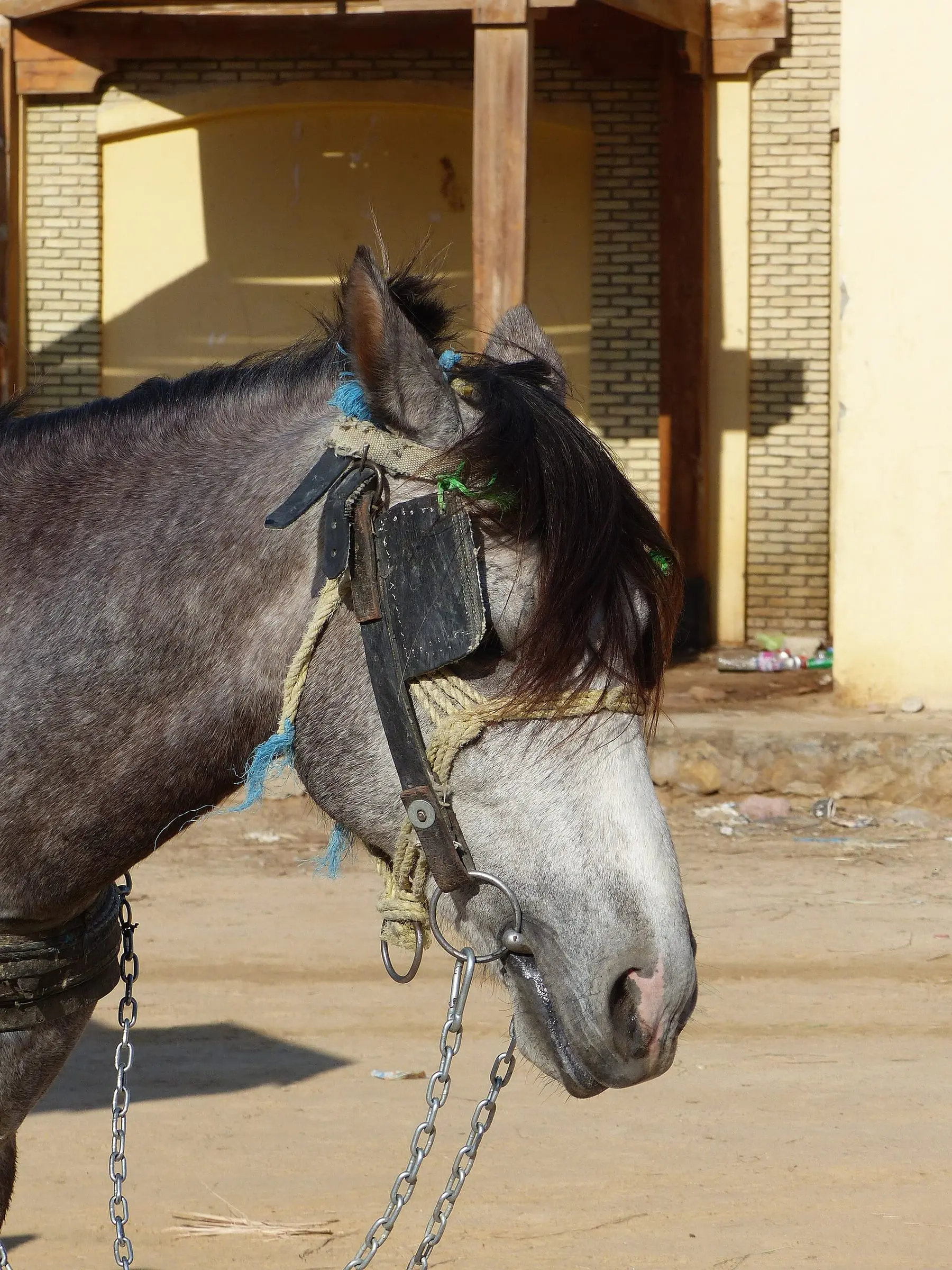
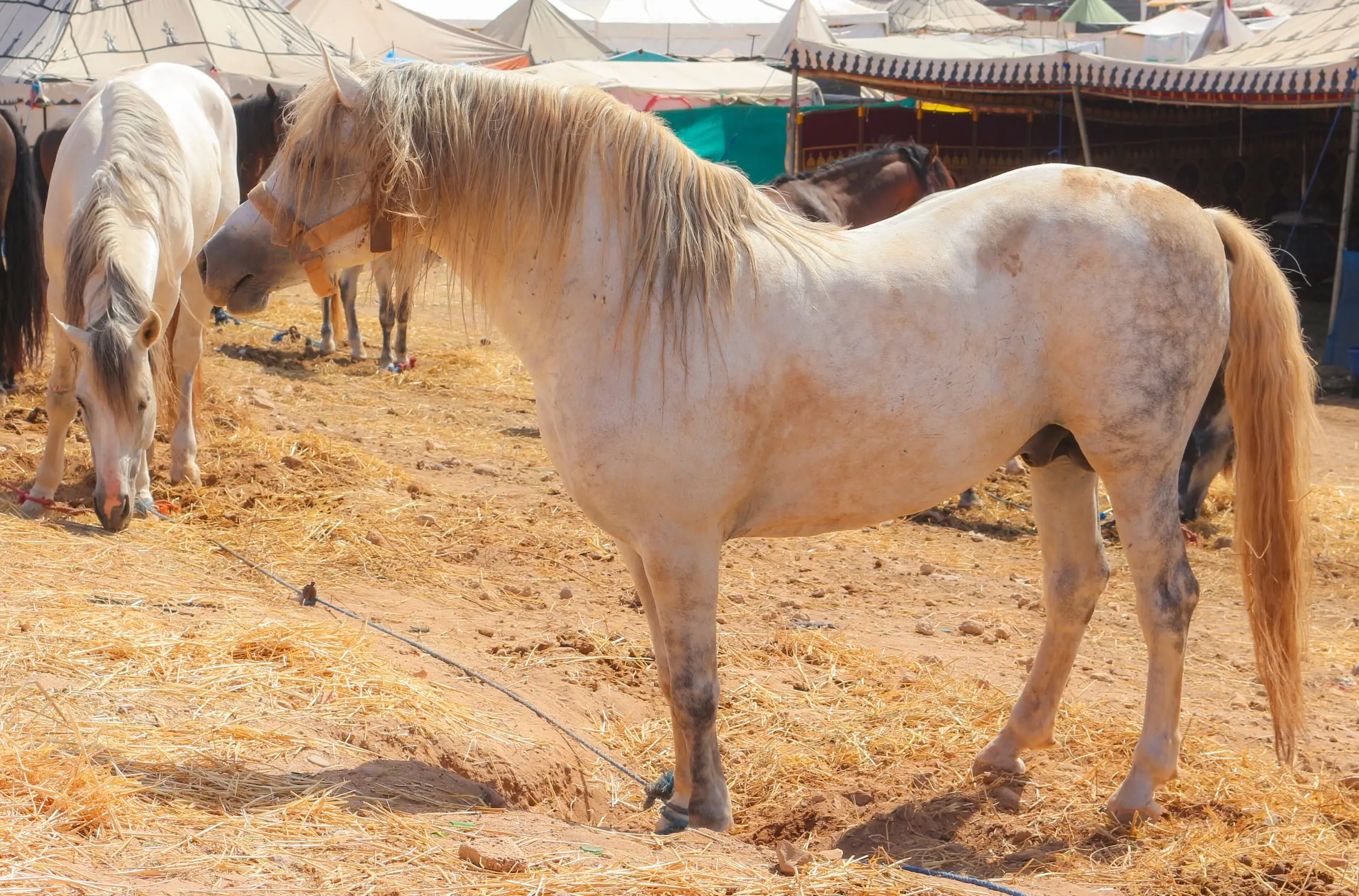
Both breeds stand between 1.45 m and 1.60 m. The Barb has a compact frame that fits in a square, a gently sloping croup and a low-set tail; its coat is most often grey. The Arab-Barb is described as more harmonious, with a supple neck, a well-developed chest and lean muscle.
Temperament
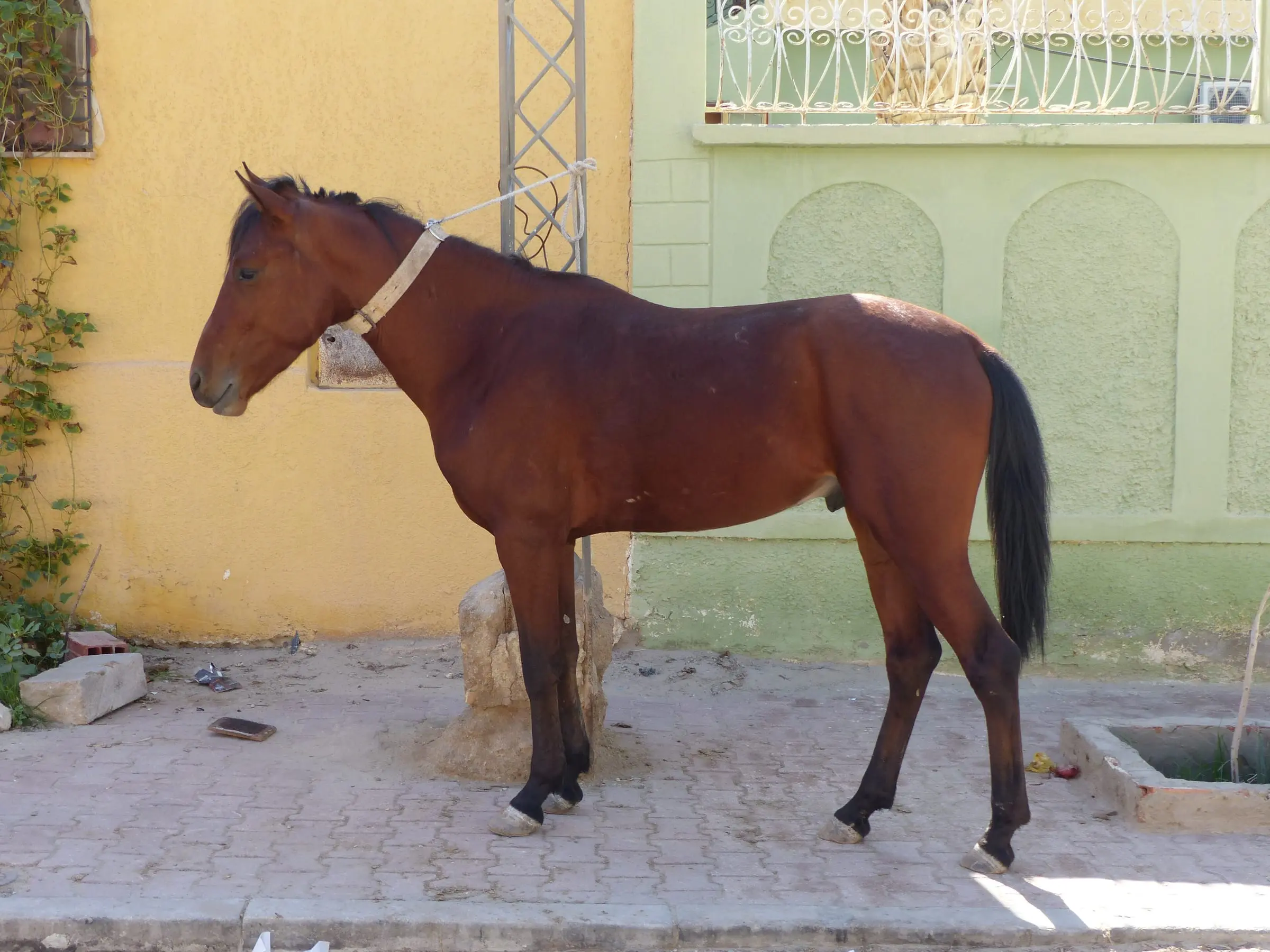
The Barb is known for being calm, brave and very enduring. The Arab-Barb combines gentleness, intelligence and courage, with a little more liveliness inherited from the Arabian. Both are reliable horses out on the trail.
Very different numbers
In Morocco, SOREC counts around 5,000 identified Barbs compared with 60,000 Arab-Barbs. The Barb is therefore much rarer, and preserving its bloodlines lies at the heart of AMCBAB’s mission.
Shared disciplines
Both breeds excel in Tbourida, endurance, TREC and equestrian rallies. The Barb also shines in working equitation and handiness; the Arab-Barb is valued in presentations and dressage.
Only the papers are proof
These pointers help recognise a type, but a horse’s breed is confirmed by its documents: the identification document and its stud-book registration. Our article on horse identification in Morocco explains what to check.
To find out more: the Barb and the Arab-Barb. And to see them side by side, meet our horses.
Frequently asked questions
- How can you tell a Barb from an Arab-Barb?
- Look at the head first: stronger, with a straight to convex profile in the Barb; finer and often concave in the Arab-Barb. Only the papers and the stud-book are proof.
- Which is rarer?
- The Barb: around 5,000 identified horses in Morocco, compared with 60,000 Arab-Barbs.
- Are they the same height?
- Yes, both breeds stand between 1.45 m and 1.60 m.
Read next
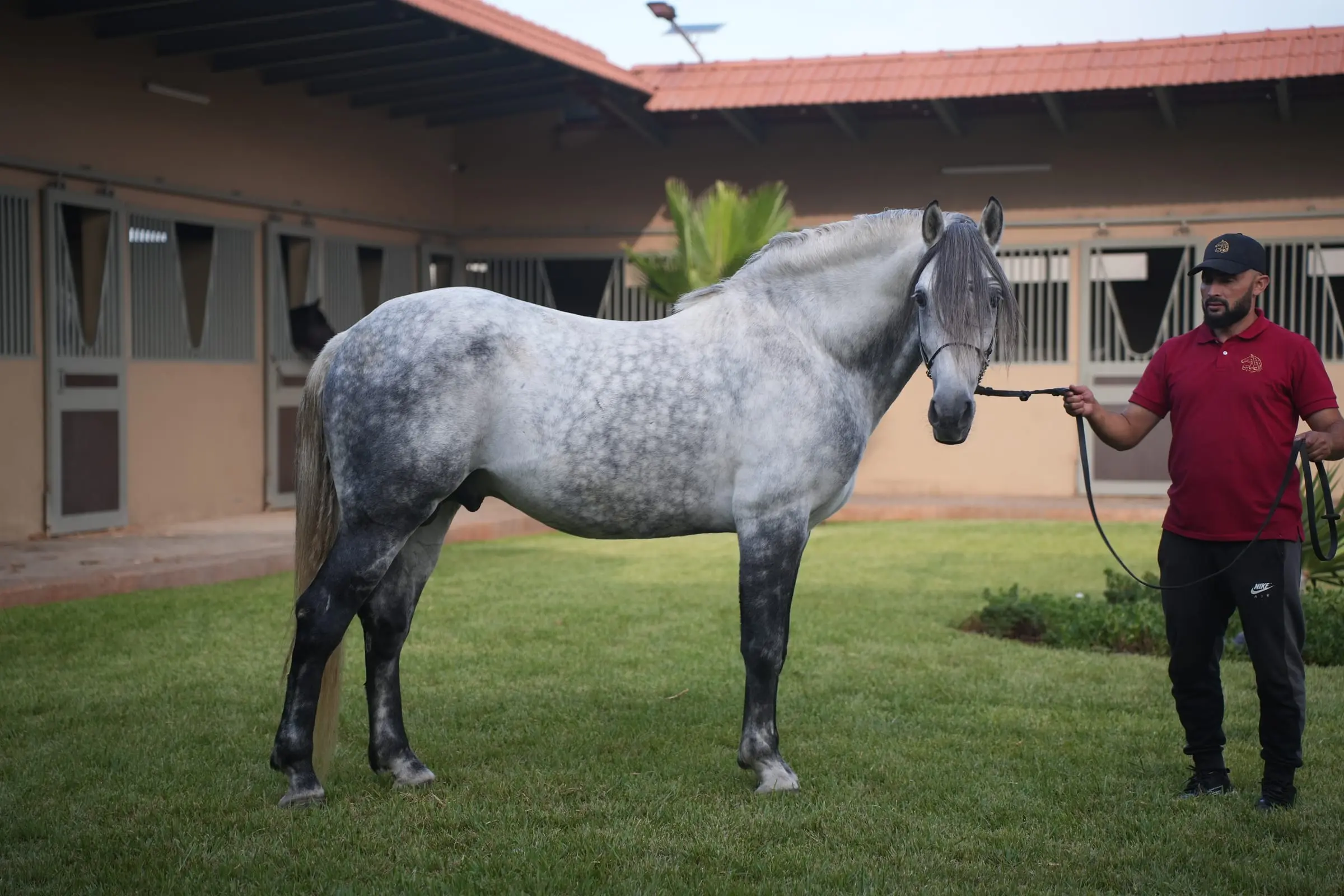
Breeds2 min read
The Barb horse: origins, conformation and uses
Native to the Maghreb for some 3,500 years, the Barb is hardy, enduring and versatile. Its origins, conformation, temperament and disciplines explained.
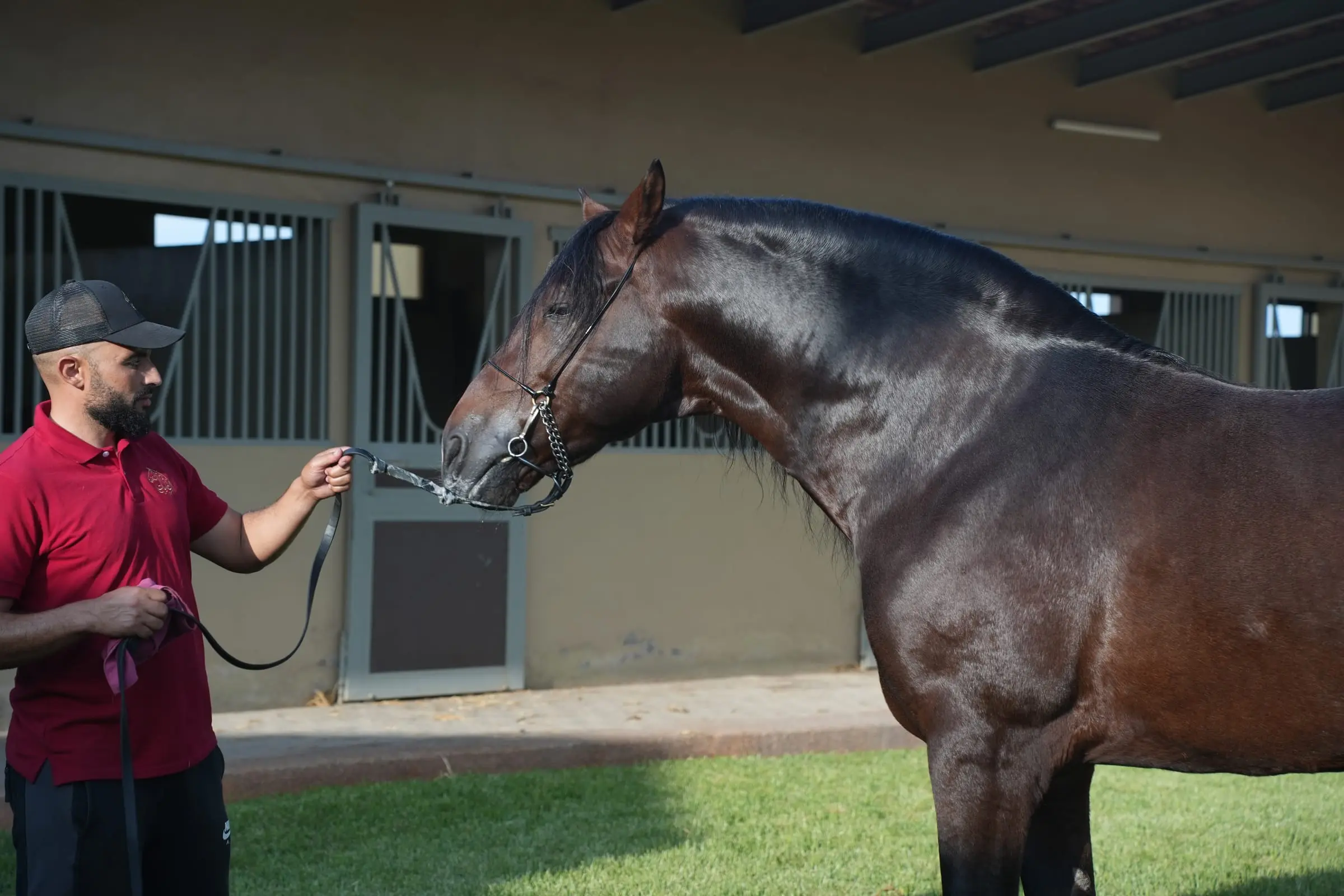
Breeds2 min read
The Arab-Barb, Morocco’s most widespread horse
Bred from the Purebred Arabian and the Barb, the Arab-Barb combines elegance and hardiness. The origins, conformation, temperament and uses of Morocco’s leading horse.
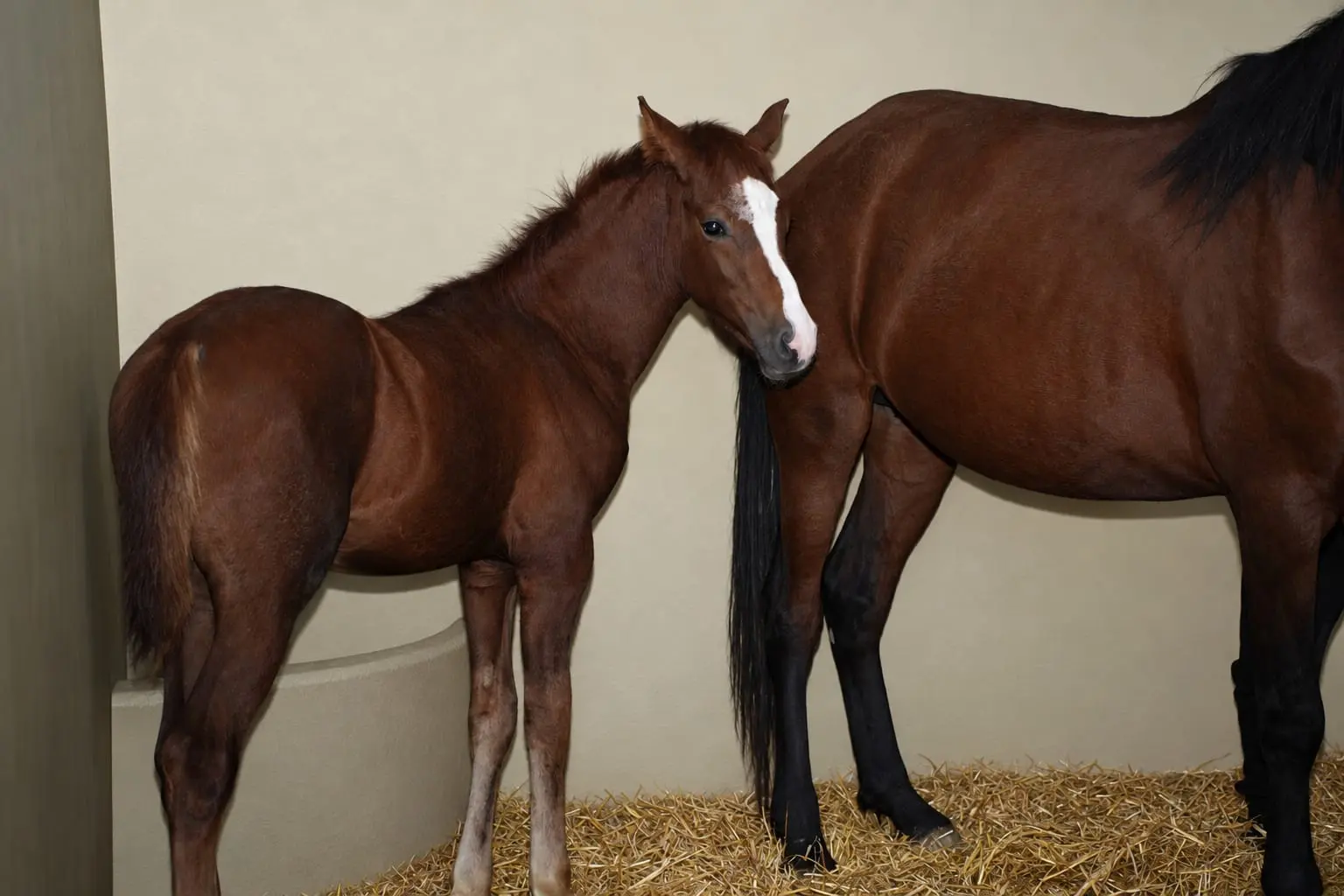
Breeding2 min read
The birth of a foal: signs of foaling and the first hours
Warning signs, how foaling unfolds, the 1-2-3 rule, colostrum and first care: what to watch for when a foal is born.